Unremarkable

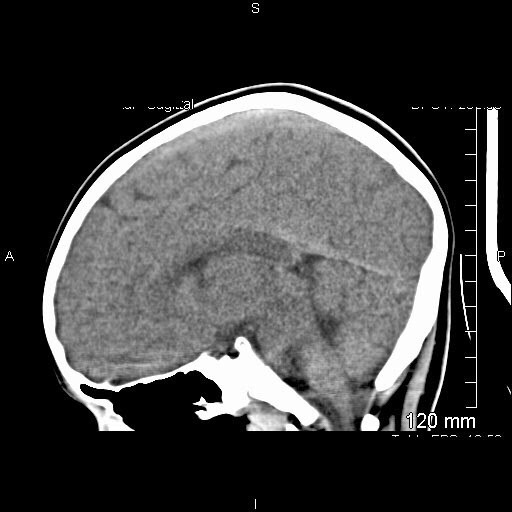
Most parents would be offended if someone called their child unremarkable, but I love that adjective! The girl’s MRI was unremarkable. No bleeding or obvious injury. We are very happy with those results. We are very happy that we get to go to South Dakota on Friday!

20140702-201724-73044225.jpg
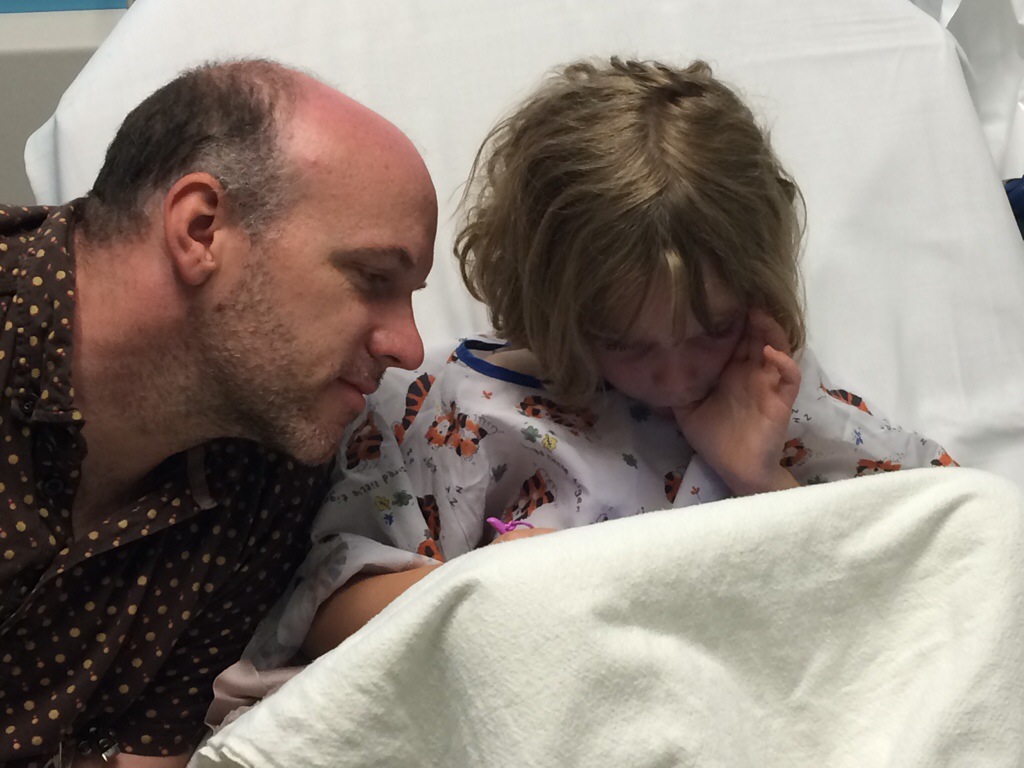
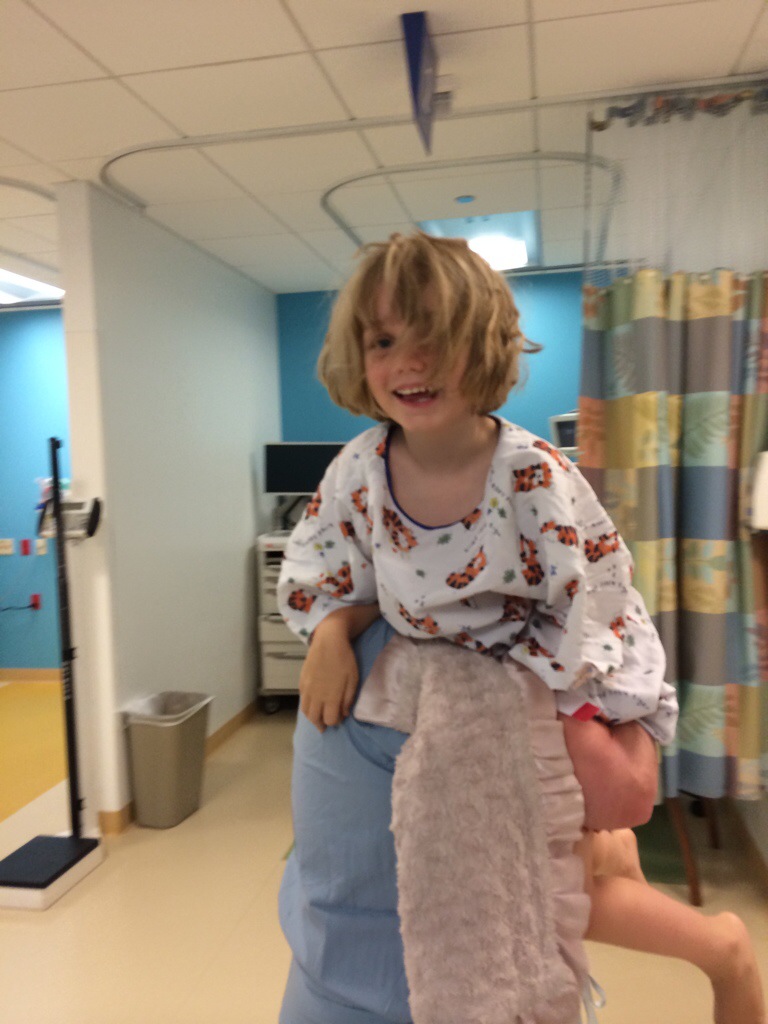
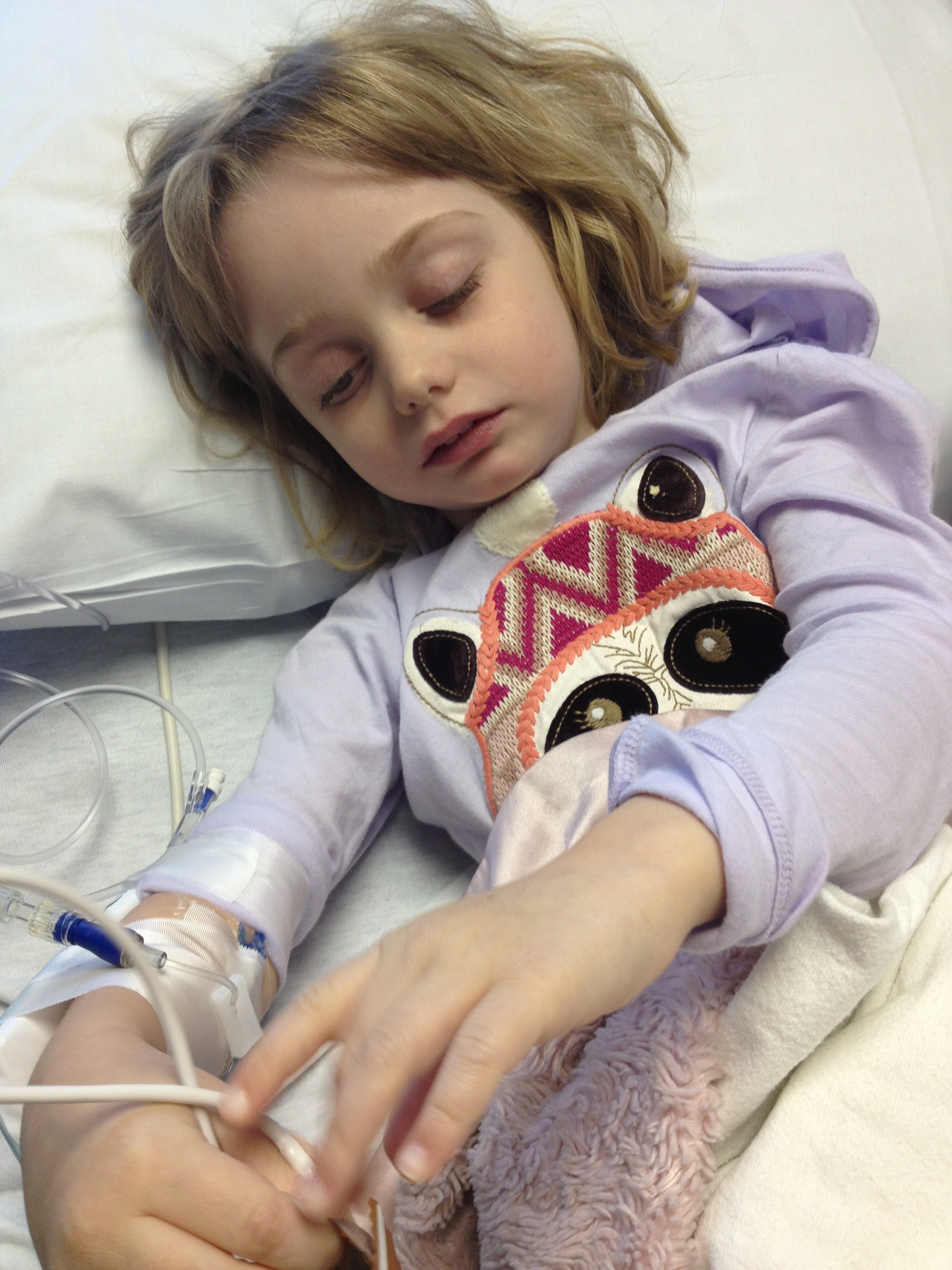
We spent the day at Lurie Children’s yesterday.

20140702-202800-73680904.jpg
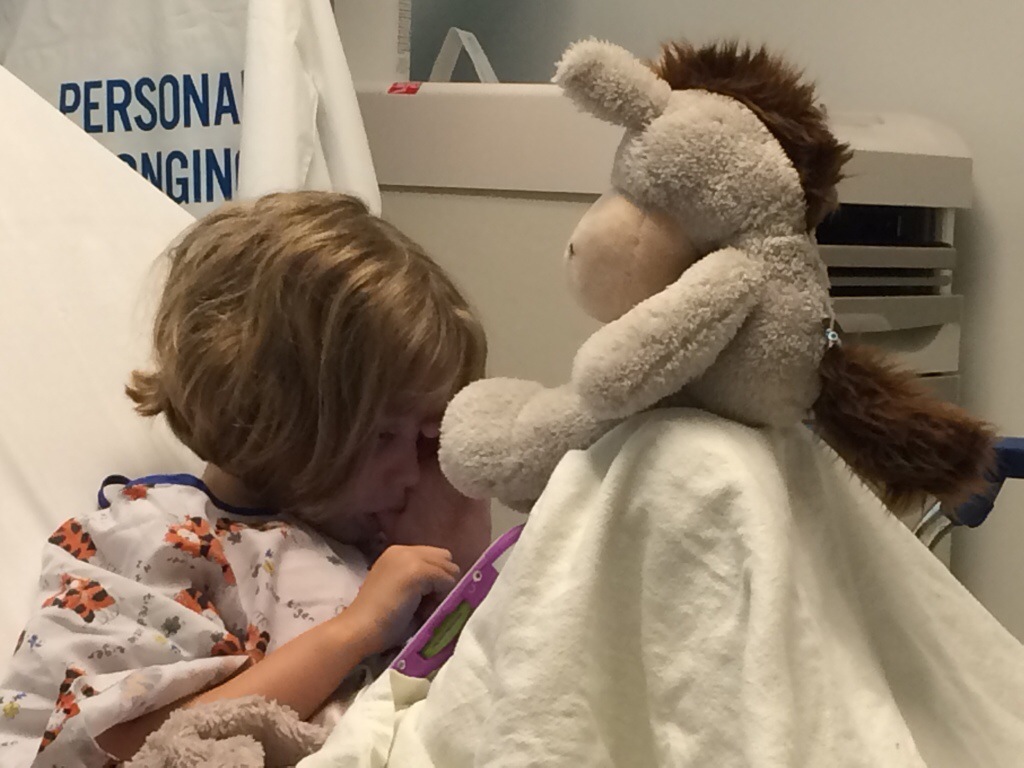
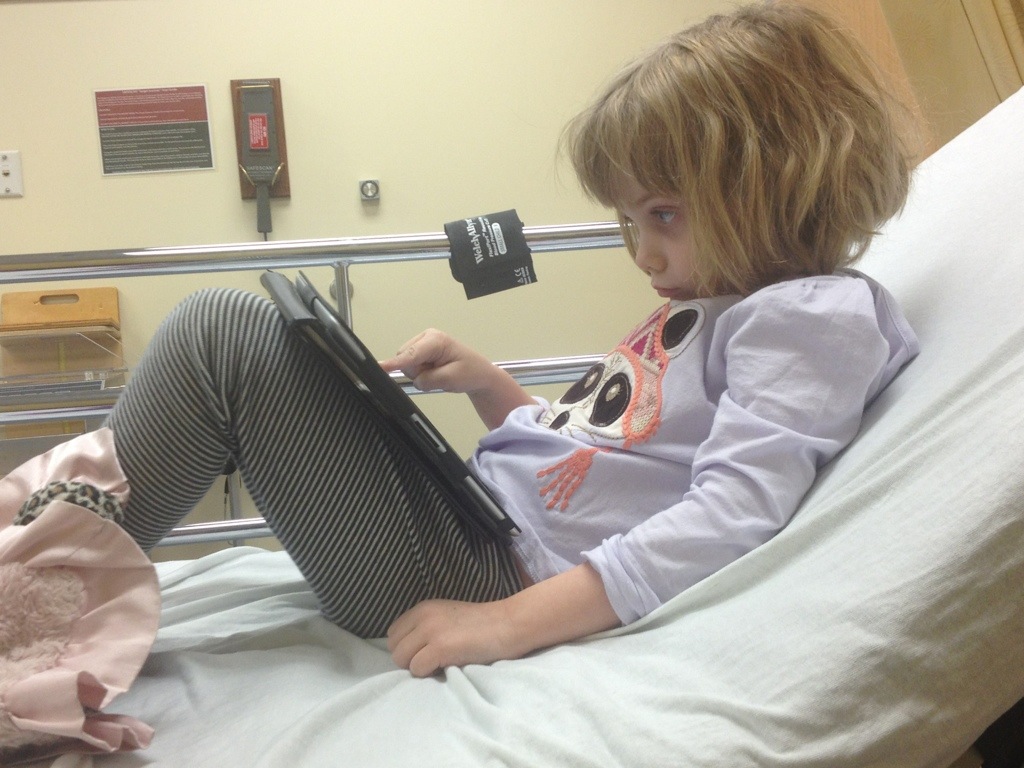
It was a very long day, but we did let the girl play with her leap pad (first time since the crash).

20140702-204653-74813979.jpg
Donkey kept an eye on her to make sure she was ok.

20140702-204823-74903415.jpg
The MRI schedule was an hour behind when we arrived and it was 3 hours behind by the time she went back.

20140702-205232-75152628.jpg
We were finally on our way home by 8:00!

20140702-205605-75365344.jpg

That long day was worth it! We now know that this unremarkable image…

20140702-210015-75615022.jpg
(This actually her CT, not the MRI for anyone who can tell a difference)

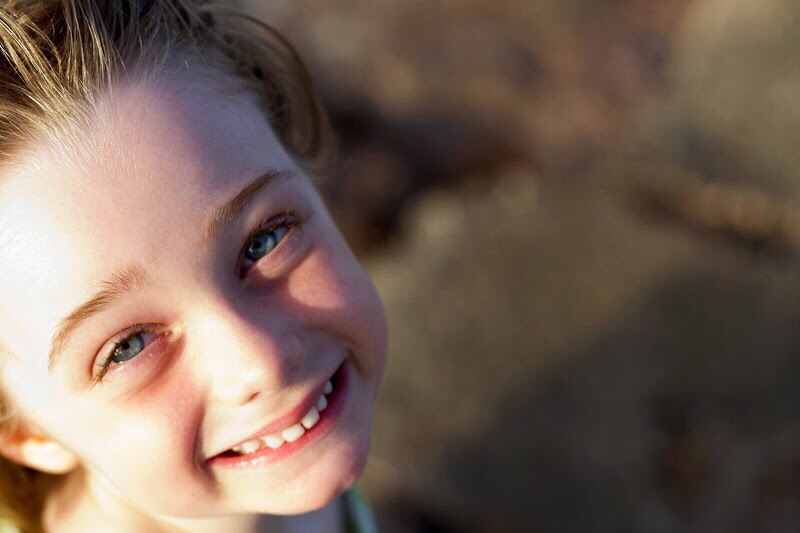
…belongs to a pretty remarkable little girl!

20140702-210218-75738294.jpg

The crash

20140626-221207-79927071.jpg

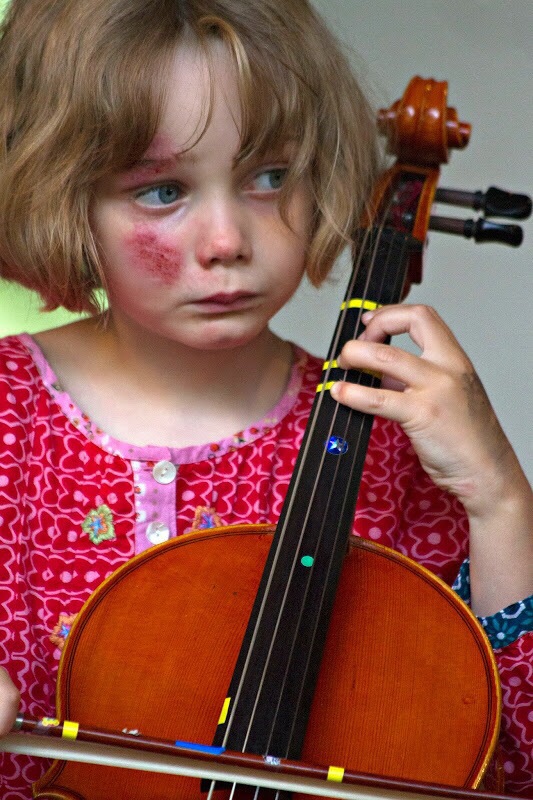
In our house, if you ride your bike or scooter without your helmet, the bike or scooter goes into time out for 24h.  It’s only happened once, but the lesson was learned.  Thank goodness, the girl will not ride without her helmet!  Did you know that fewer than 25% of bicyclists wear helmets? Nine out of ten people killed in bike accidents were not wearing helmets (Helmets on Heads)? It seems logical that helmets should be worn, but perhaps the best way to learn the importance of wearing a helmet is to watch your child fly down a hill, lose control and land on her head.  I can still see the crash in slow motion.  She landed on her face.  It was terrifying, but I was so thankful when she called for me just after impact.  I know the story would be very different if she hadn’t taken that extra 30 seconds to strap on her helmet!

This is the hill that she decided to attempt on the scooter!  She crashed right at the bottom (not my photograph).

20140626-221220-79940965.jpg

This was the result:

20140626-221311-79991830.jpg

So now she has a concussion and it’s not fun.  I have read more student papers on concussions than I ever wanted to read, but I still feel like I don’t understand what’s happening at all!  First of all, a concussion is not a bruised brain (like it was described when I was a kid).  It’s a traumatic brain injury that changes the functioning of the brain (CDC, Lurie).  Most concussions occur without loss of consciousness, and all of them are different. Many are accompanied by a headache, personality changes, problems with memory or concentration, issues with balance and light/noise sensitivities (CDC).  The girl had a headache the first two days, but recently her most common complaint is dizziness.  I can tell it’s bothering her.  She doesn’t want to close her eyes to go to sleep because she feels like she’s falling.  She’s also sensitive to light and forgets things.

The treatment for a concussion is “brain rest.”  It’s easier to tell you what she can do, rather than list the things that aren’t allowed.  The nurse told me that ideally the girl would lie on the couch all day with her eyes closed.  Right!  She is not allowed to look at any kind of screen (TV, computer, leap pad).  She also can’t practice her cello, play the piano, run, jump, spin, ride her bike or scooter, climb trees, or swing.  Our original plan (approved by her doctor) was to go to one hour of VBS and one hour of choir camp, but she hasn’t been able to do that much.  Keeping her from thinking is the biggest challenge!

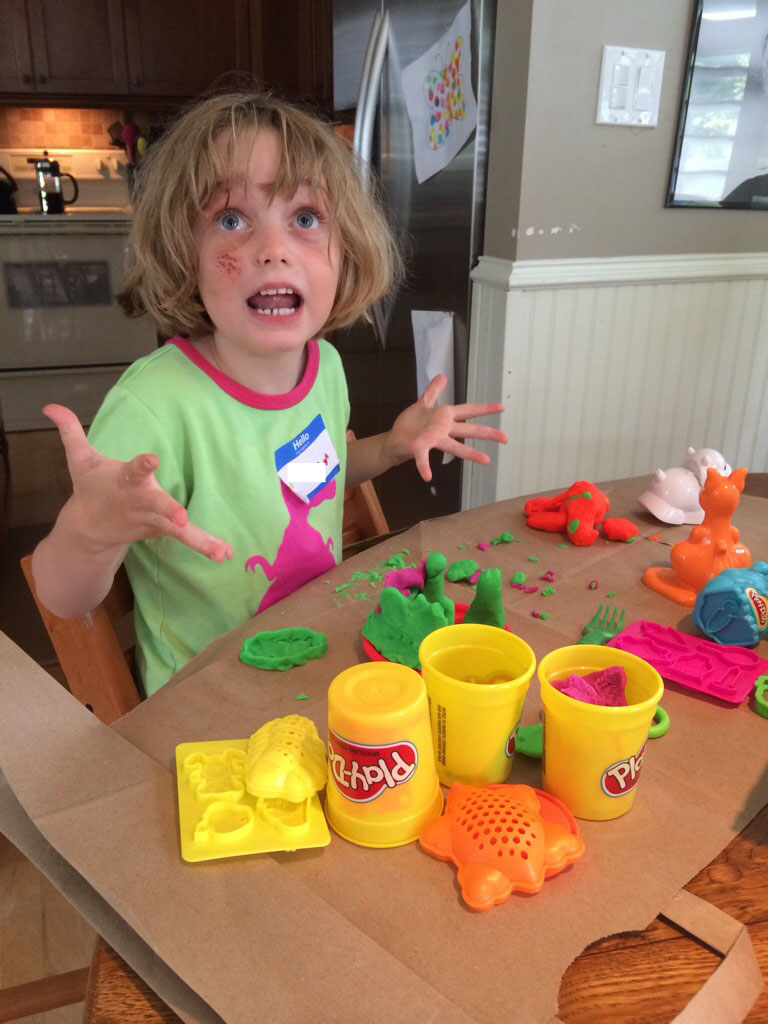
I have been reading to her.  We are almost finished with book 5 of the Boxcar Children, and we’ve also enjoyed Mercy Watson and her children’s Bible.  Yesterday we tried Play doh.
20140626-221511-80111881

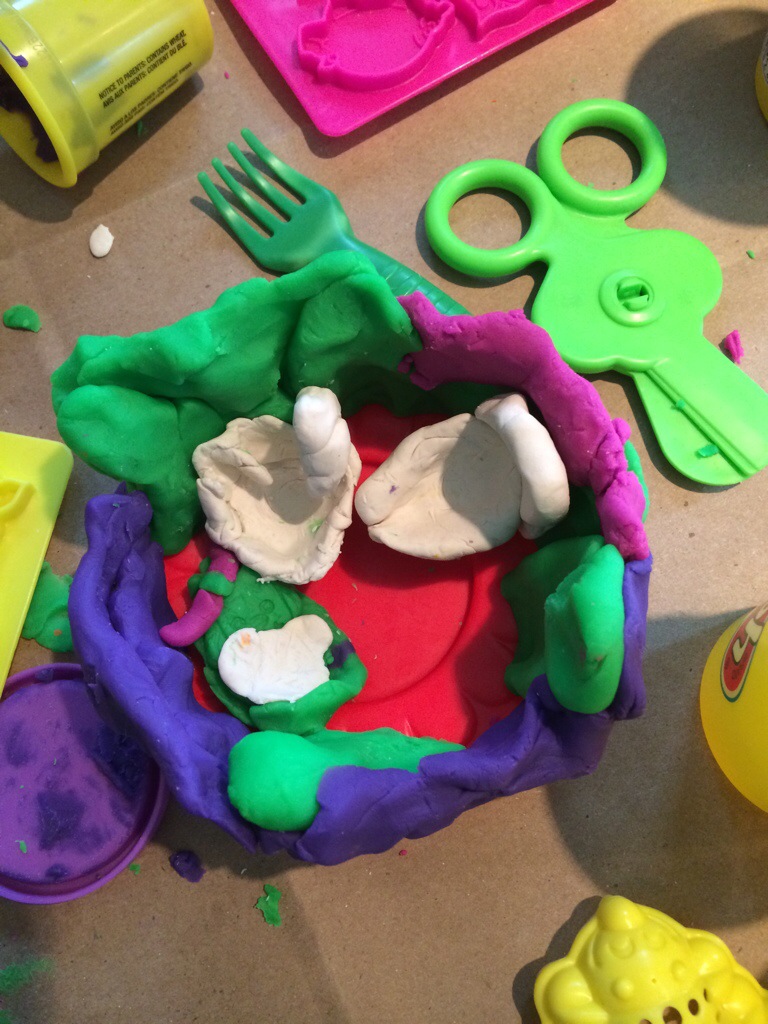
She just can’t play without a lot of thought!  Check out this play doh bathroom:
20140626-221512-80112228.jpg

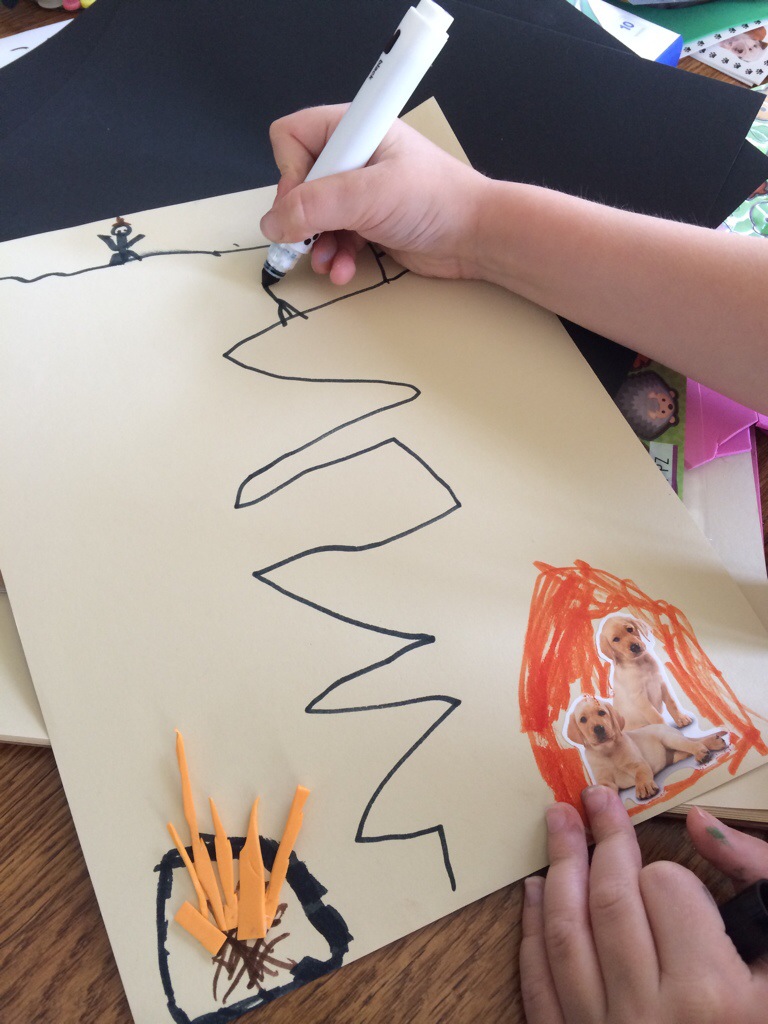
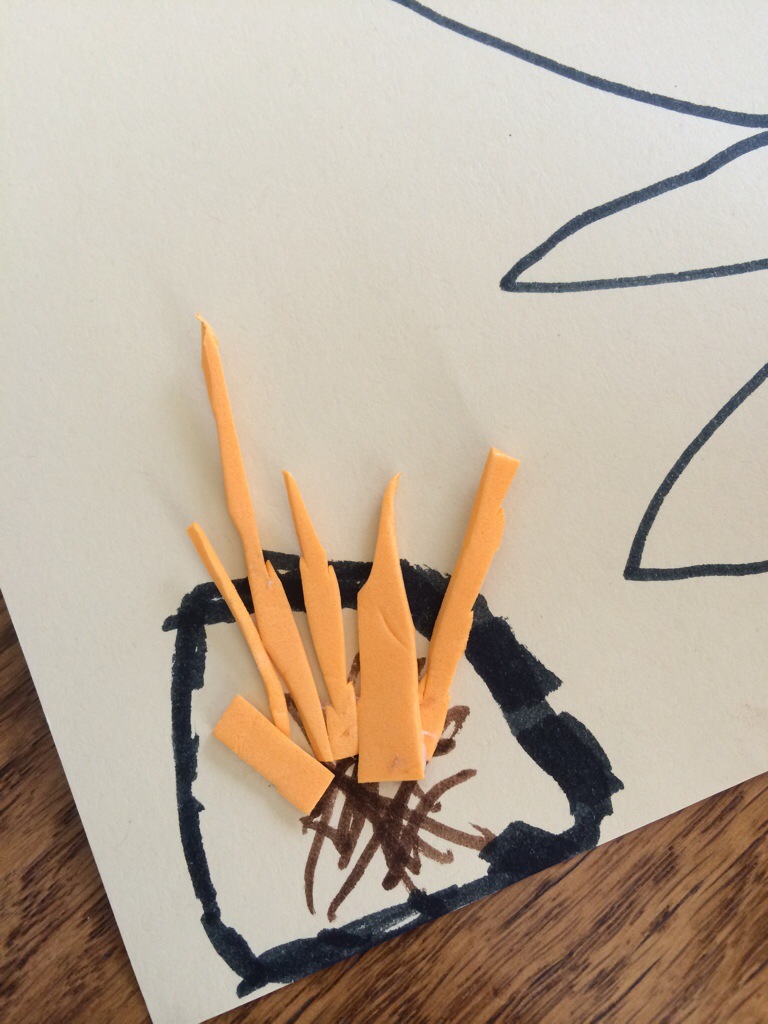
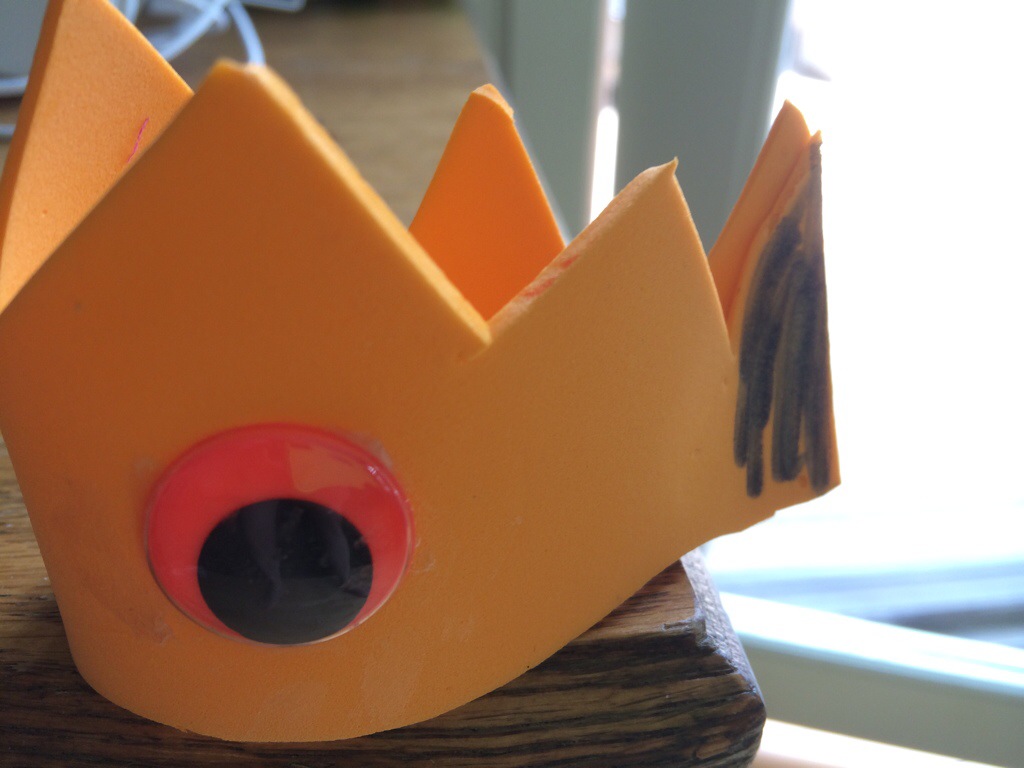
A friend suggested that she cut paper and glue it together without thinking, and she would be surprised by the design.  Look at what she came up with!  I’m pretty sure she was “thinking” about this design and this fish and the campfire wasn’t simply a surprise.
20140626-221513-80113325.jpg

20140626-221512-80112582.jpg

20140626-221512-80112932.jpg

We have enjoyed blowing bubbles, but it’s really hard to avoid chasing after them! (These photos were taken before the crash, but too fun not to use).


20140626-221513-80113449.jpg

20140626-221513-80113512.jpg

Today we just needed to get out of the house, so we played “Scavenger Hunt.”  The girl picked things for me to find while we were out driving.  We started with a new train station to the East.

20140626-221513-80113976.jpg

Thankfully, we’ve never actually gotten on or off of the Metra in Lombard.  Otherwise, I would have had to drive much further.  The next instruction was for me to take her to an airport.  We went to the DuPage County Airport rather than driving to Midway or O’Hare.

20140626-221514-80114312.jpg

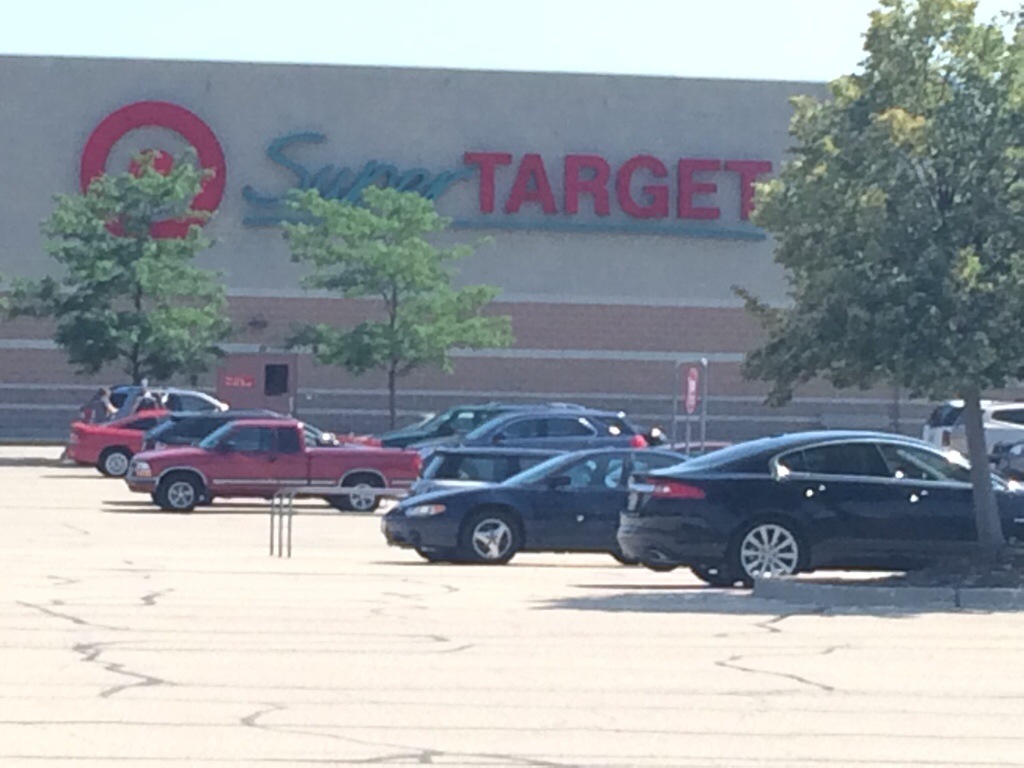
The last destination was a Target store.  Thank goodness she was tired of the game after an hour and a half!
20140626-221515-80115161.jpg

We see her neurosurgeon on Monday.  Hopefully she will be doing better by then and we will just have good news!  She really wants to be able to play with her new leap pad!  That would be the best day ever!

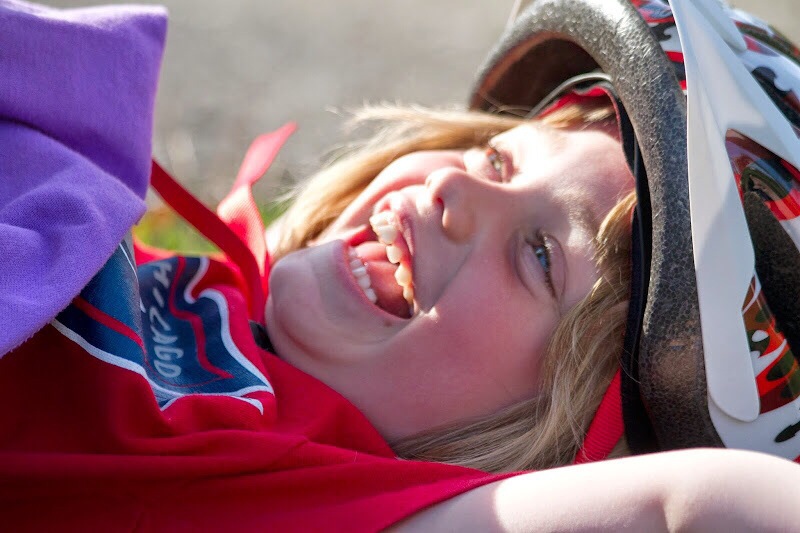
Here’s to helmets!  Never Ever Go Without!!!
20140626-221515-80115227.jpg

Sources:

http://www.cdc.gov/concussion/sports/

http://www.helmetsonheads.org/facts/

https://www.luriechildrens.org/en-us/care-services/conditions-treatments/concussion/Pages/index.aspx




Hoofbeats

I’ve heard that doctors are told that when they hear hoofbeats that they should look for horses instead of zebras.  Look for the common, not the rare.

When a kid with a history of tethered cord starts falling and having trouble with weakness and incontinence, the obvious concern is that the cord is re-tethered. Re-tethering is pretty rare (~ 2% according to Ogiwara et al.), but we still couldn’t think horses when this rare possibility was stampeding towards us.  We have just spent about a month testing everything that could be tested on the girl.  Now we know that we are dealing with horses! We finally have some tentative answers, and there are no zebras involved…

The tentative answer is unexpected.  The MRI of the spine showed some large adenoids (that had grown back after they were removed 2.5 years ago), large tonsils, and large lymph nodes. We visited the ENT yesterday and he said that the girls tonsils were almost as big as they get.  He was concerned that she has sleep problems that could be on the verge of sleep apnea.  She has lots of symptoms of sleep disordered breathing:

The most obvious is snoring…she sounds a lot like this:

The girl has never been one to sleep well, and we kept putting off the sleep studies that have been suggested over and over.  She just has so many doctor visits, we didn’t want to subject her to any more.  We never imagined that the problems sleeping could be serious…I mean, I’m seriously tired all the time, but for the girl, we didn’t realize it was that big of a problem.

It turns out that sleep apnea is a pretty serious problem.  About 2% of the child population has sleep disordered breathing (American Academy of Otolaryngology), and this can lead to problems with behavior and learning, enuresis (bedwetting), slow growth, obesity, and cardiovascular issues (American Academy of Otolaryngology).  Removing the tonsils and adenoids is the most common and effective treatment for sleep disordered breathing and obstructed sleep apnea.

We are optimistic that the tonsillectomy will help her sleep, and once she is actually resting she will be stronger and improve in all of the ways that she did immediately after the first surgery.


Sources:

American Academy of Otolaryngology.  2011.  Fact Sheet:  Pediatric sleep disordered breathing / obstructive sleep apnea.  http://www.entnet.org/HealthInformation/Could-Child-Have-Sleep-Apnea.cfm.  accessed 16 November 2012.

Ogiwara, H., A. Lyszczarz, T. Alden, R. Bowman, D. McCLone, and T. Tomita.  2011.  Retethering of transected fatty filum terminales.  Journal of Neurosurgery Pediatrics, 7:42-46.


Tired

20121108-191213.jpg
We have had a very busy week. This picture sums up how we all feel. We still do not have answers about the symptoms , but some blood work ruled out some scary possibilities! There are more appointments next week, and hopefully we will get some better ideas about what’s going on. For now we are going to get a little rest!

Some answers, more questions

20121105-182615.jpg
The girl saw the neurosurgeon today. We had lots of questions when we arrived, and we left with more questions. Of course we were a bit concerned that the cord re-tethered. We did learn that the cord is fine! No indication whatsoever that the cord is the problem.

There were no explanations for the falls and incontinence. Because the girl is weaker on one side, the doctor ordered a brain MRI. We will do that next week. It’s without sedation…should be easy. So, this is step one in the plan.

Step two is to follow up with the urologist and stay on new medicine for the bladder.

Step three was unexpected.

The very thorough radiologist looked at everything and noted in the report that the girl has “enlarged lymph nodes particularly in the suprahyoid internal jugular chain….bilateral tonsillar enlargement and partially visualized adenoid hypertrophy.”

I looked up “hypertrophy” and it means enlarged. Hmmm…the girl had her adenoids removed 2 years ago. I guess they grew back?

So, step three is that the neurosurgeon will send the MRI to an ENT at Children’s so we can get an opinion about infection or other things that could cause the swelling. Infection can make a girl fatigue and fall…but probably doesn’t explain the incontinence.

That’s the plan! At least we have one!

20121105-184649.jpg

Now we wait

The MRI was this morning. There are some perks. Child life brought an iPad with much better games than mommy has:

20121030-143435.jpg
The girl did great with the sedation and the test took about an hour. She was really “wobbledy” and “didn’t feel good” when she woke, but she managed to eat crackers!

20121030-143614.jpg
She ate her special cookie on the way home proclaiming “it’s a bad ghost so I have to eat it!”

20121030-143952.jpg
Now we are home and the girl is trying to convince mommy that she won’t fall if I let her play. After a sandwich enjoyed by the girl and the BAD puppy, she is now sleeping off the sedation.

20121030-144253.jpg
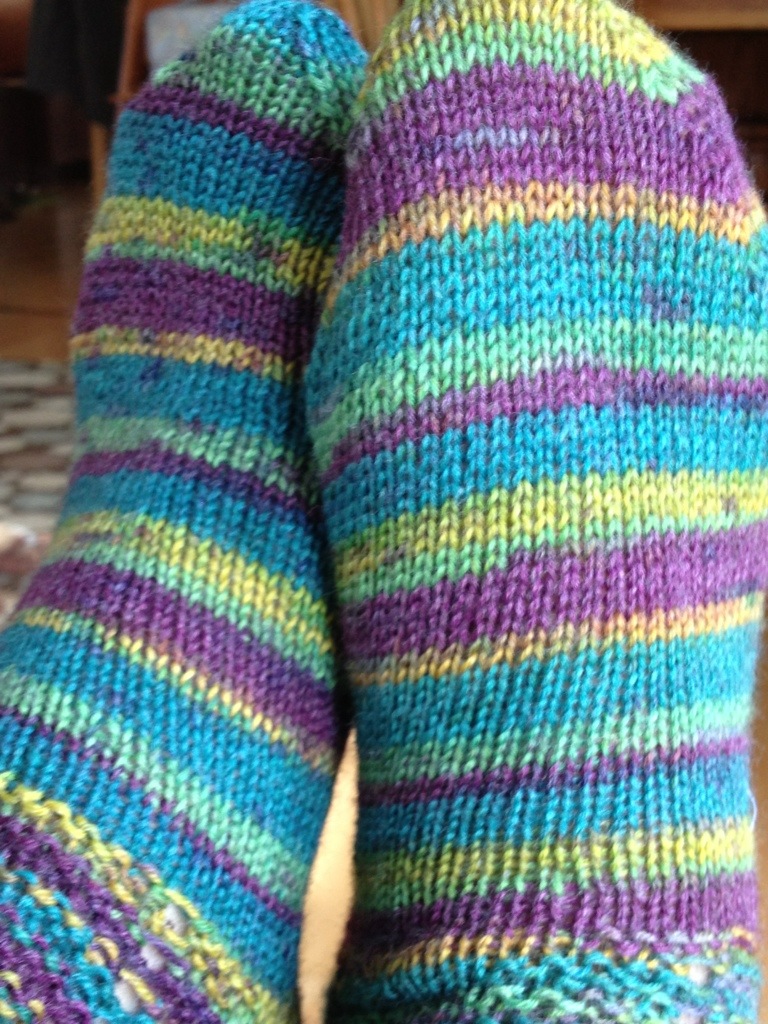
The mom is wearing some special socks that remind her of friends and prayers and God’s faithfulness.

20121030-144509.jpg
We will talk with the neurosurgeon next week. Until then we will run like a rocket and have as much fun as we can!

20121030-144545.jpg

Update

We have spent the fall visiting every doctor that the girl sees at Children’s.  She has these little issues that keep creeping up.  First we had some changes in the way that she runs.  We had muscle testing at Children’s (and of course her PT has been watching) and until recently she seemed strong, just uncoordinated.  She started falling and having some accidents again in early September. We had the routine muscle testing (again she tested strong) and bladder testing (CMG).  The CMG wasn’t  normal, but it wasn’t anything like pre-surgery and it wasn’t terribly alarming.  The urologist put the girl on a medicine that would control bladder spasms, and suggested a different laxative to see if we could get past the accidents.  The Dr. was concerned about the accidents and walking issues, and encouraged us to call the neurosurgeon.  The neurosurgeon ordered an MRI and a follow up sooner than the previously scheduled December MRI.  So, the girl will have an MRI on Tuesday and we will learn the results the following Monday.  I’m hoping that this is just a “better safe than sorry” MRI, but the “strength” of the girl’s legs is changing (as of this week).  I’m glad we can get this checked next week, but we’re all still a bit grumpy about more doctor visits!

Not your average girl!

Time is zooming by and I haven’t given an update in a long time.  The girl had a great initial recovery following surgery and spent the summer getting stronger.  However in September, some of the symptoms that led to the surgery returned.  We went for her bladder testing and had about 3 weeks of frustration trying to communicate with doctors.  We finally visited the urologist for the follow up after the CMG.  The test wasn’t “normal”, but definitely did not totally explain the accidents.  We are trying a new medicine and will see the urologist again in 6 weeks.  Additionally we were asked to follow up with the gastroenterologist and the neurosurgeon.  The neurosurgeon ordered another MRI (10/30) and follow up with him (11/5).  I’m hoping that this is a “better safe than sorry” MRI and that nothing is wrong.  I’m praying that the girl is just taking a little longer to recover than the “average” child.

The big truck

The girl had an MRI this morning to see about those tickly feet. The cool part was that the MRI was in a truck! They let her look before she was sedated. When she woke up the first thing she asked was “when do I ride in the truck?” Thankfully she believed me when I told her that she had just finished a ride. No news yet, but I’ll post when we learn something.

20120615-131159.jpg