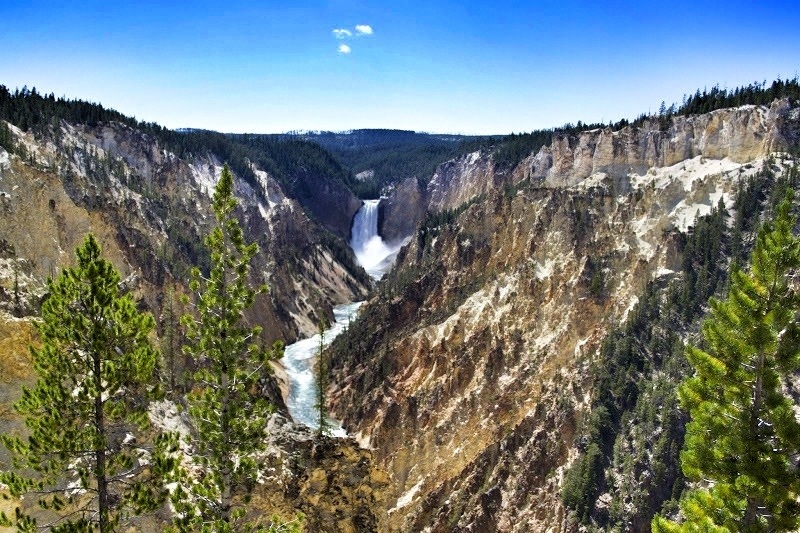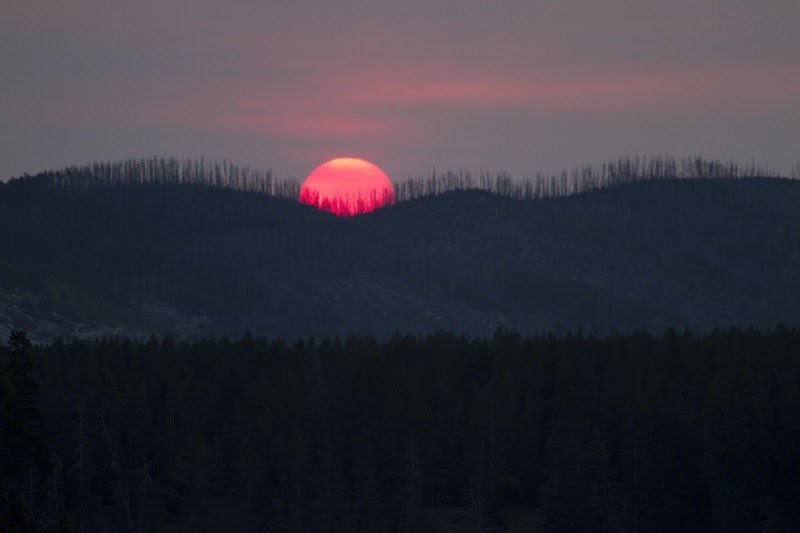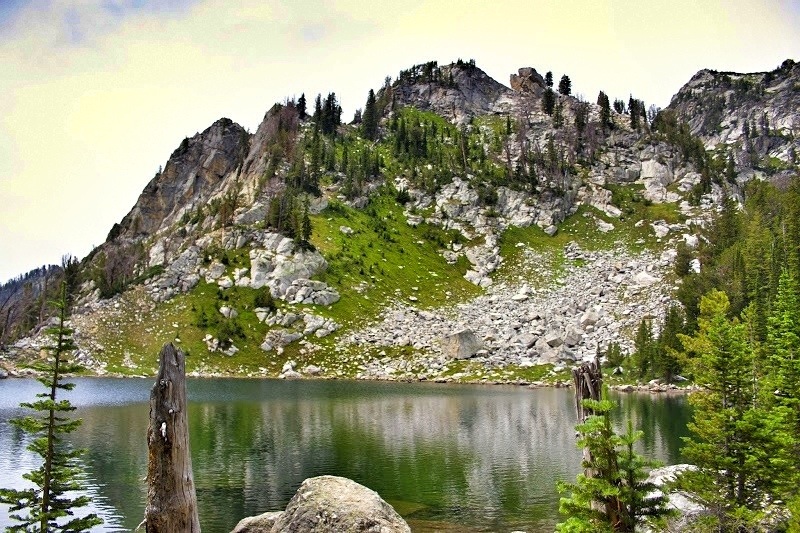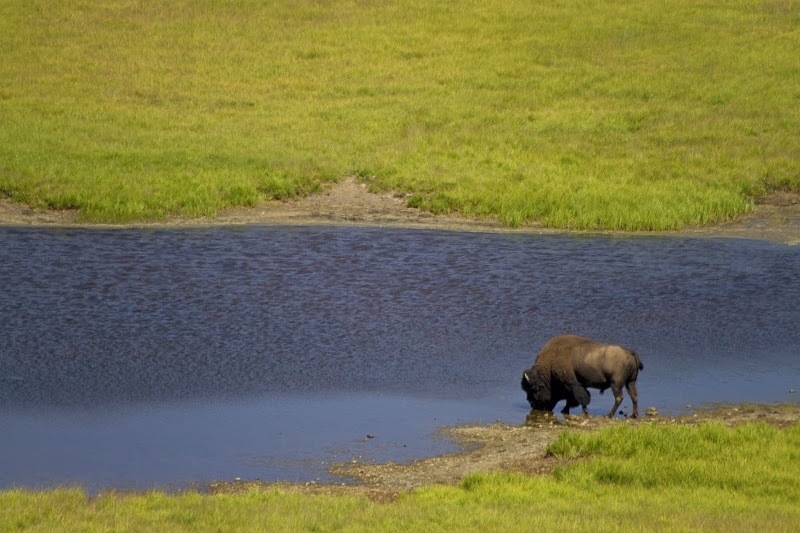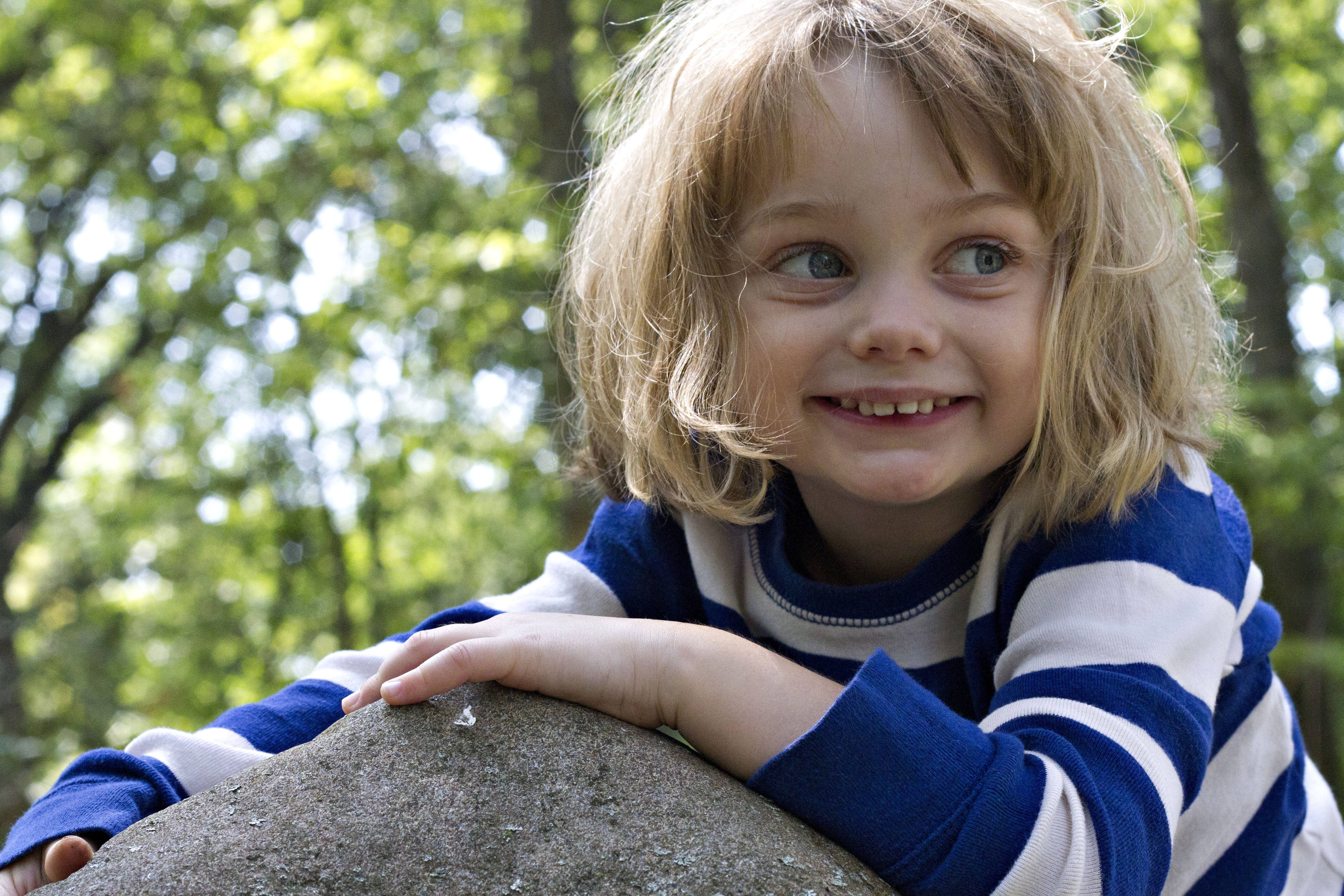
When I grow up…

When I was an undergrad biology major and falling in love with ecology, the Amazon rainforest was being cut at a rate of 2400 sq miles/year. That’s close to the size of Delaware! The rate increased until 1995, then started a slow decline. In 2011, the rate was back to 2400 sq miles. Protecting the Amazon was The Cause of the 90s. Last week I got to visit the rainforest…not directly on the Amazon, but the Rio Mayo is a tributary of the great river. Being in this amazing place helped that young ecologist resurface and rekindled a passion to take care of this place. Look at how amazing this place is!

20130818-205044.jpg

20130818-205056.jpg

20130818-205104.jpg

20130818-205131.jpg
Conservation efforts look different all over the world, but one model that I see over and over combines ecotourism with sustainable use of ecosystem resources. I travelled to Tingana with two of my students.

20130818-210449.jpg

20130818-210457.jpg
Our guides live in the forest, farm in tree fall gaps, gather honey, and teach visitors about this spectacular place. Tito was our guide and he was amazing with his bird and monkey calls! He could tell that I was having a great time and pointed out everything – big and small!!
The squirrel monkeys were a lot of fun to watch:

20130818-211025.jpg

20130818-211135.jpg
The sloth (lazy bear) was hiding in plain sight:

20130818-211314.jpg
The birds were incredible! I’ve never seen anything like these cream colored woodpeckers.

20130818-211504.jpg
The collared trogon was beautiful, and it was extra special to see her nest!

20130818-211709.jpg

20130818-211719.jpg
The kingfishers and flycatchers were abundant.

20130818-212142.jpg

20130818-212151.jpg
The littlest creatures were the most colorful. So many treasures!!!

20130818-212402.jpg

20130818-212411.jpg

20130818-212424.jpg

20130818-212432.jpg
This is an awesome place! I hope that the new generation of ecologists can continue to encourage conservation of the rainforest…this teacher is going to do her part in encouraging her students to work towards that goal!
Western Trip

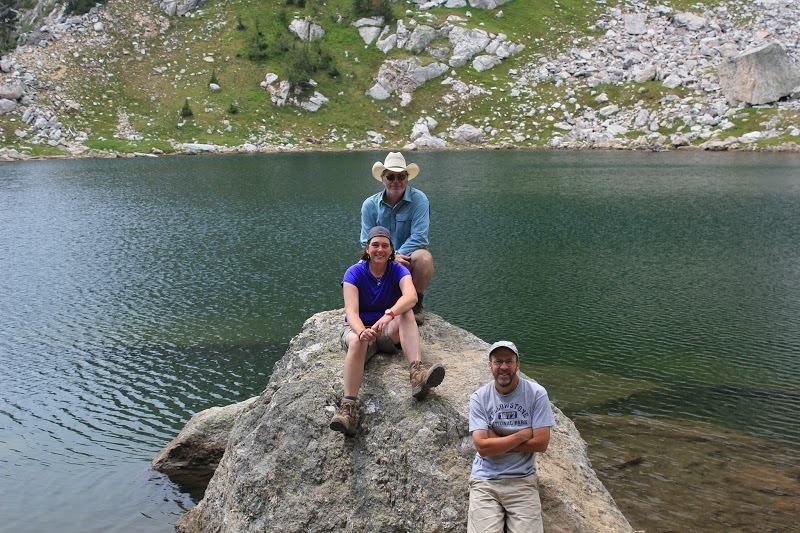
Every year I get to take my students camping for 6 nights. It’s a lot of fun, but its definitely not a vacation when you co-lead a group of 49. I have the privilege of teaching with two amazing colleagues and friends.

20130802-074359.jpg
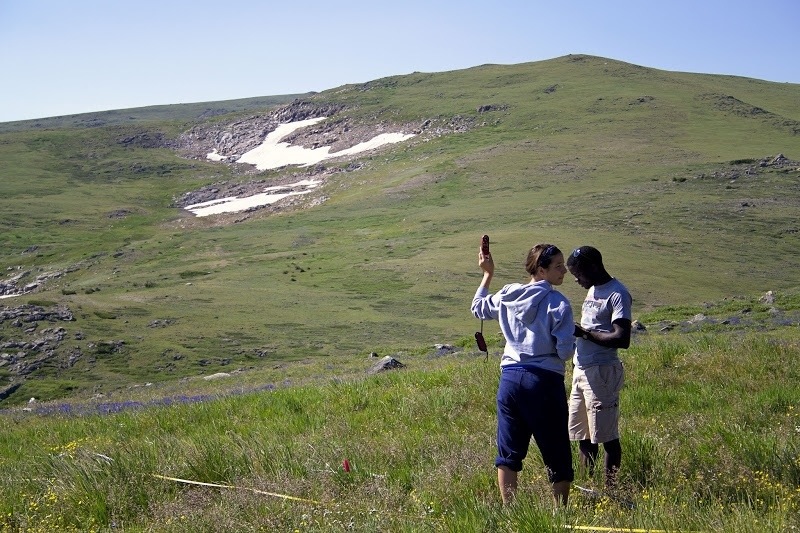
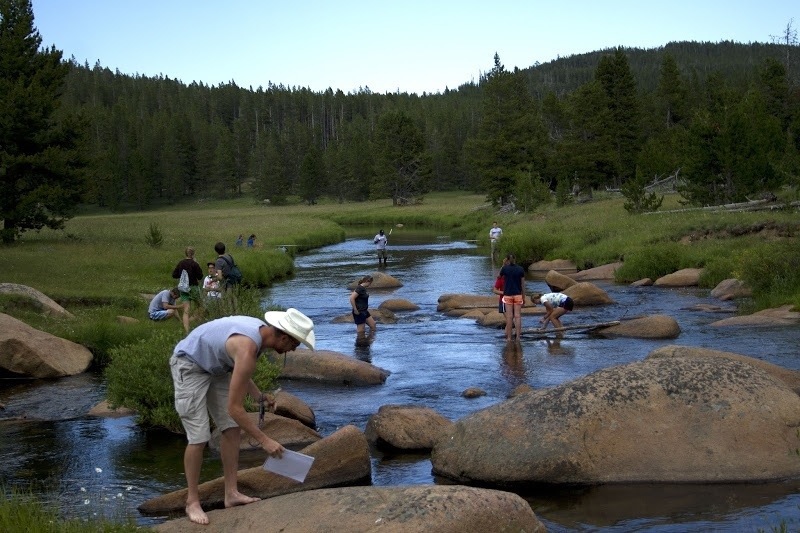
The students learn about different ecosystems by sampling, hiking, and experiencing. Here is a virtual western trip:
Sampling the S. Tongue River

20130802-075110.jpg
Sampling in high altitude environments.

20130802-075153.jpg
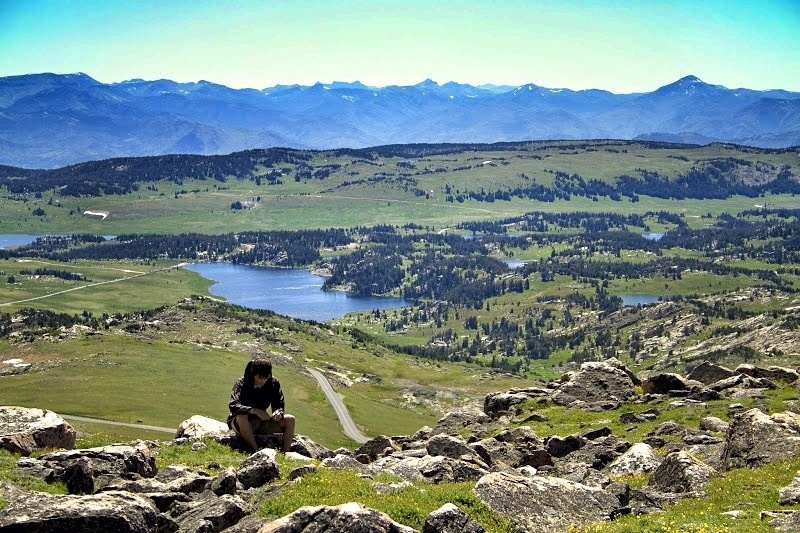
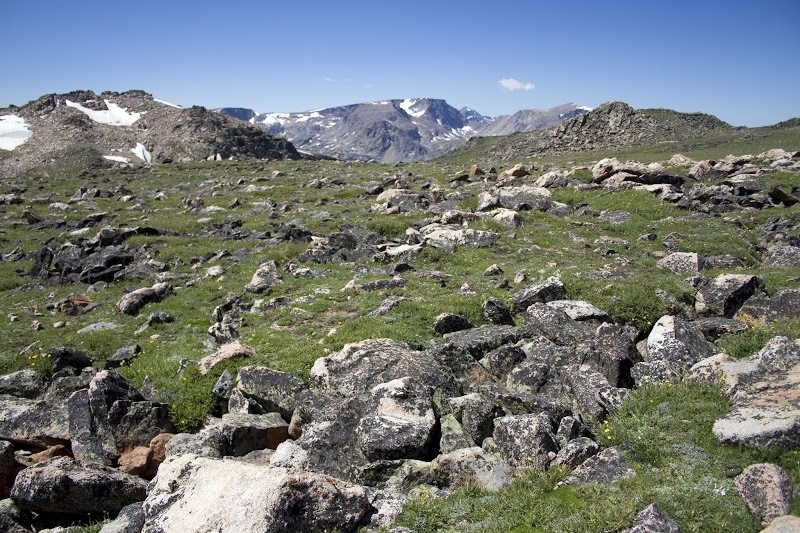
Hiking in the Bear Tooth Mountains:

20130802-075822.jpg

20130802-075833.jpg
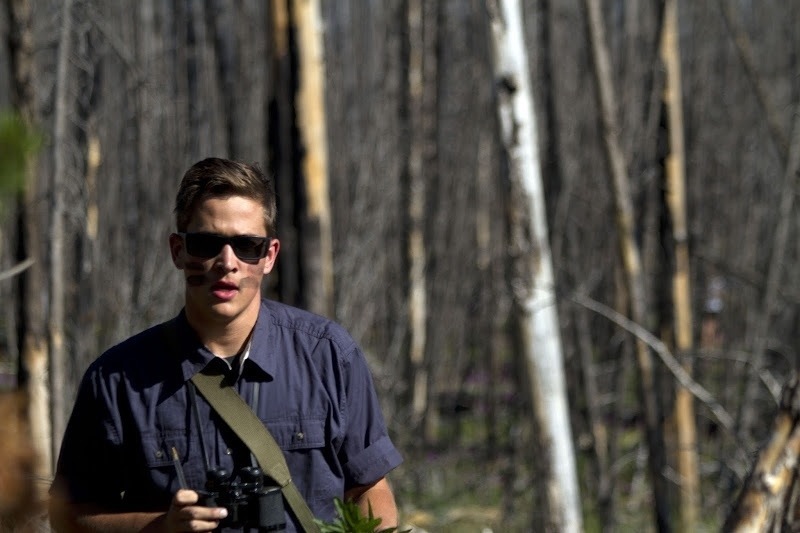
Learning about fire ecology :

20130802-075922.jpg
This is an amazing creation!!!
20130802-080107.jpg

20130802-080201.jpg

20130802-080212.jpg

20130802-080231.jpg

20130802-080248.jpg

20130802-080300.jpg

20130802-080316.jpg

20130802-080325.jpg

Field Work

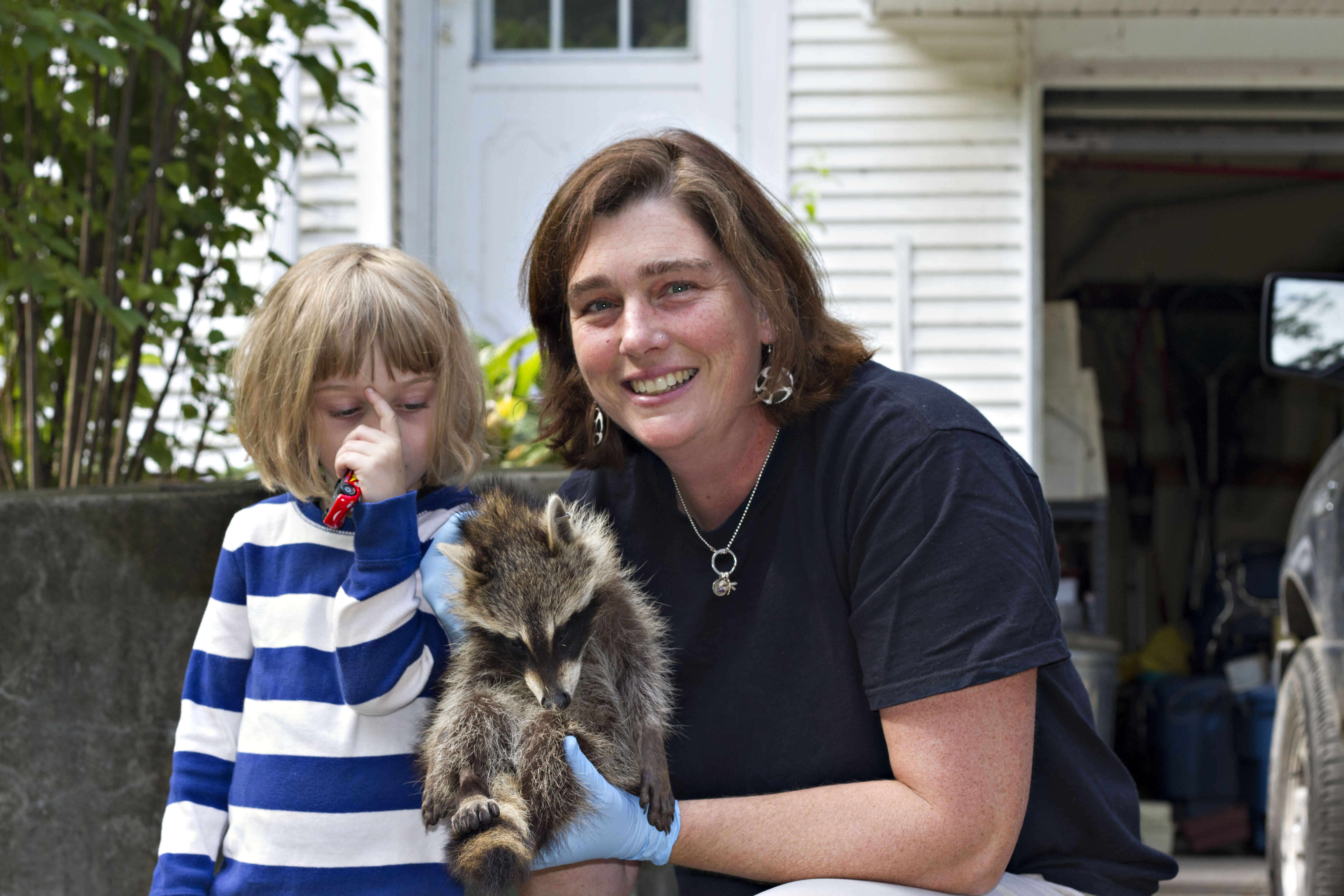
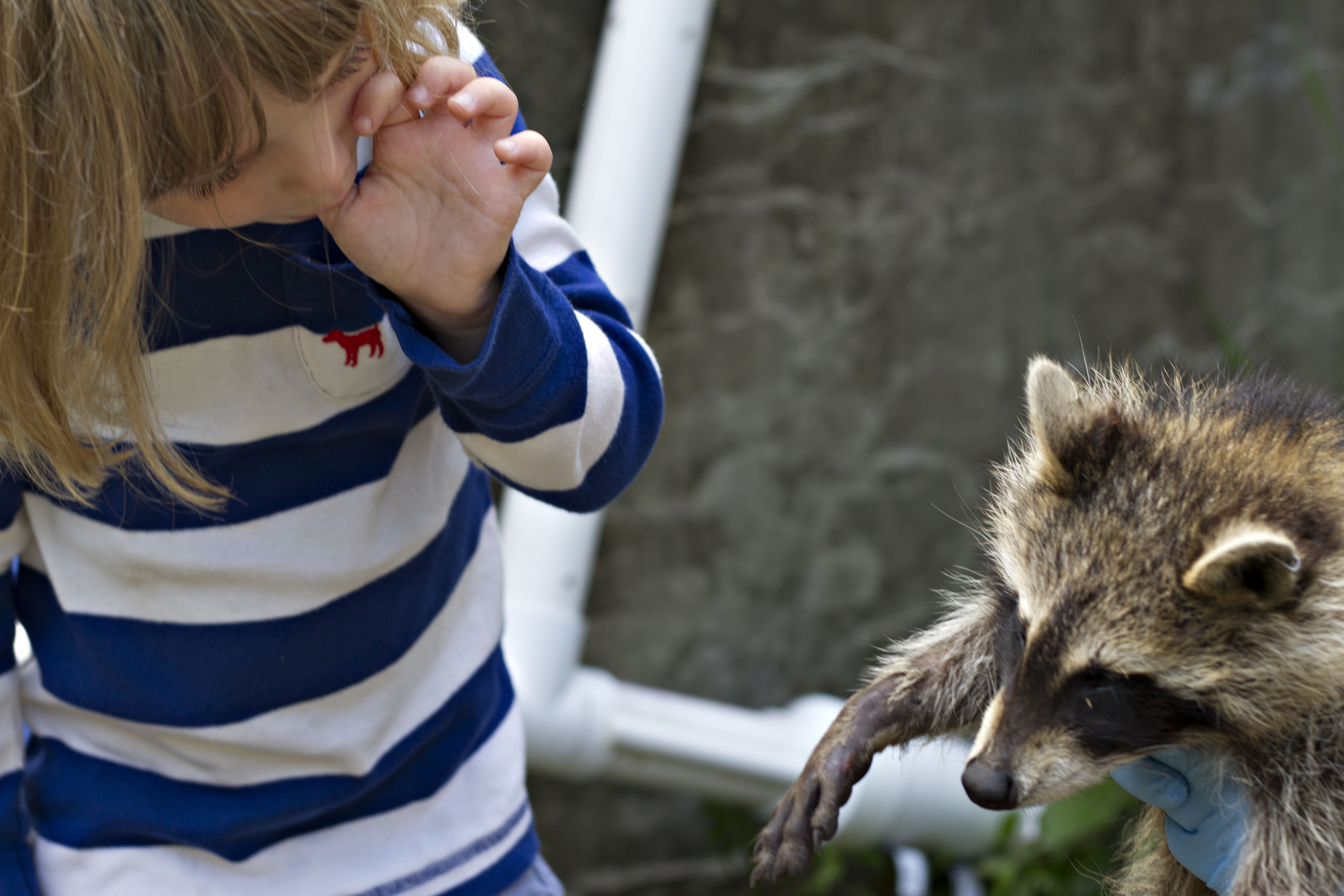
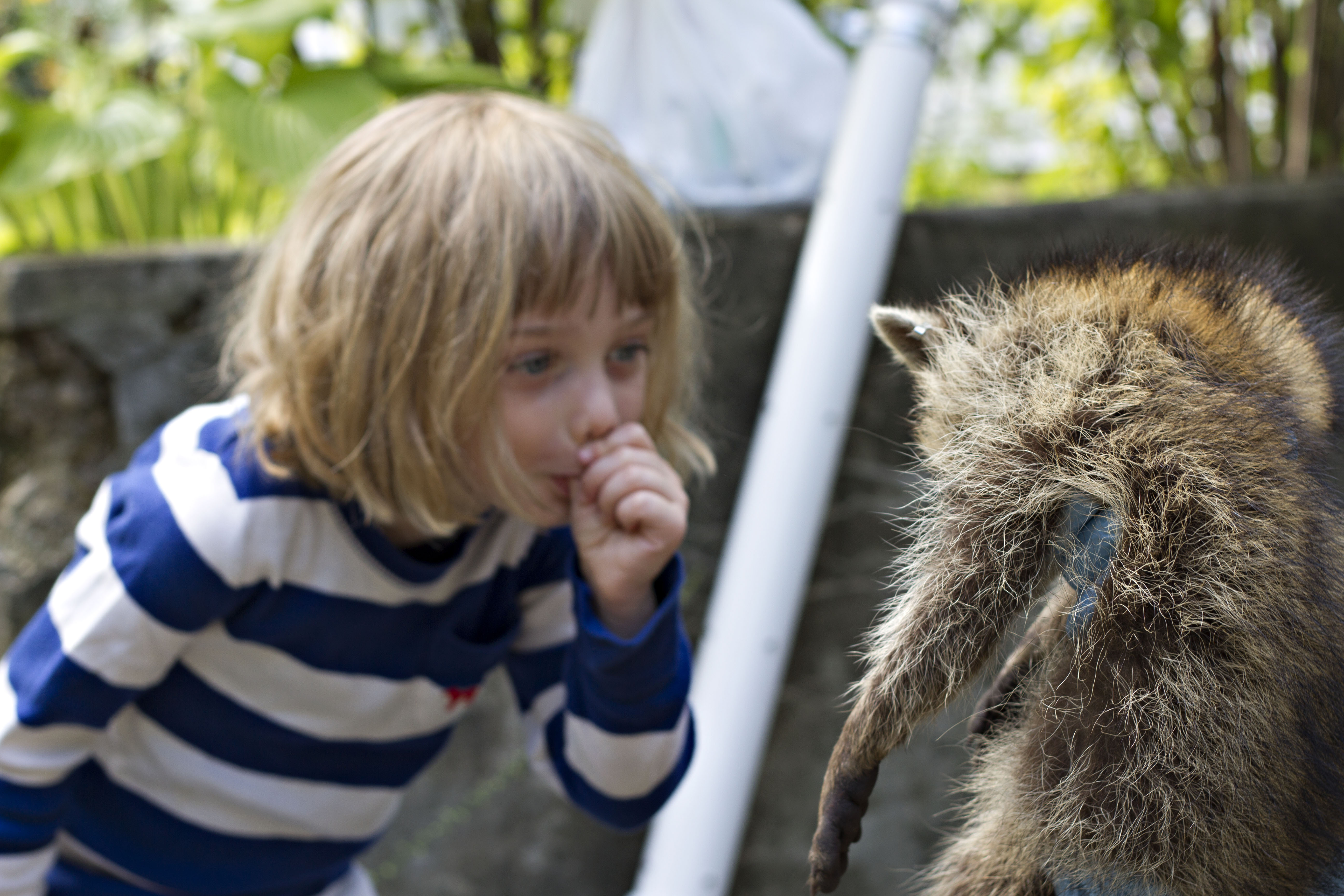
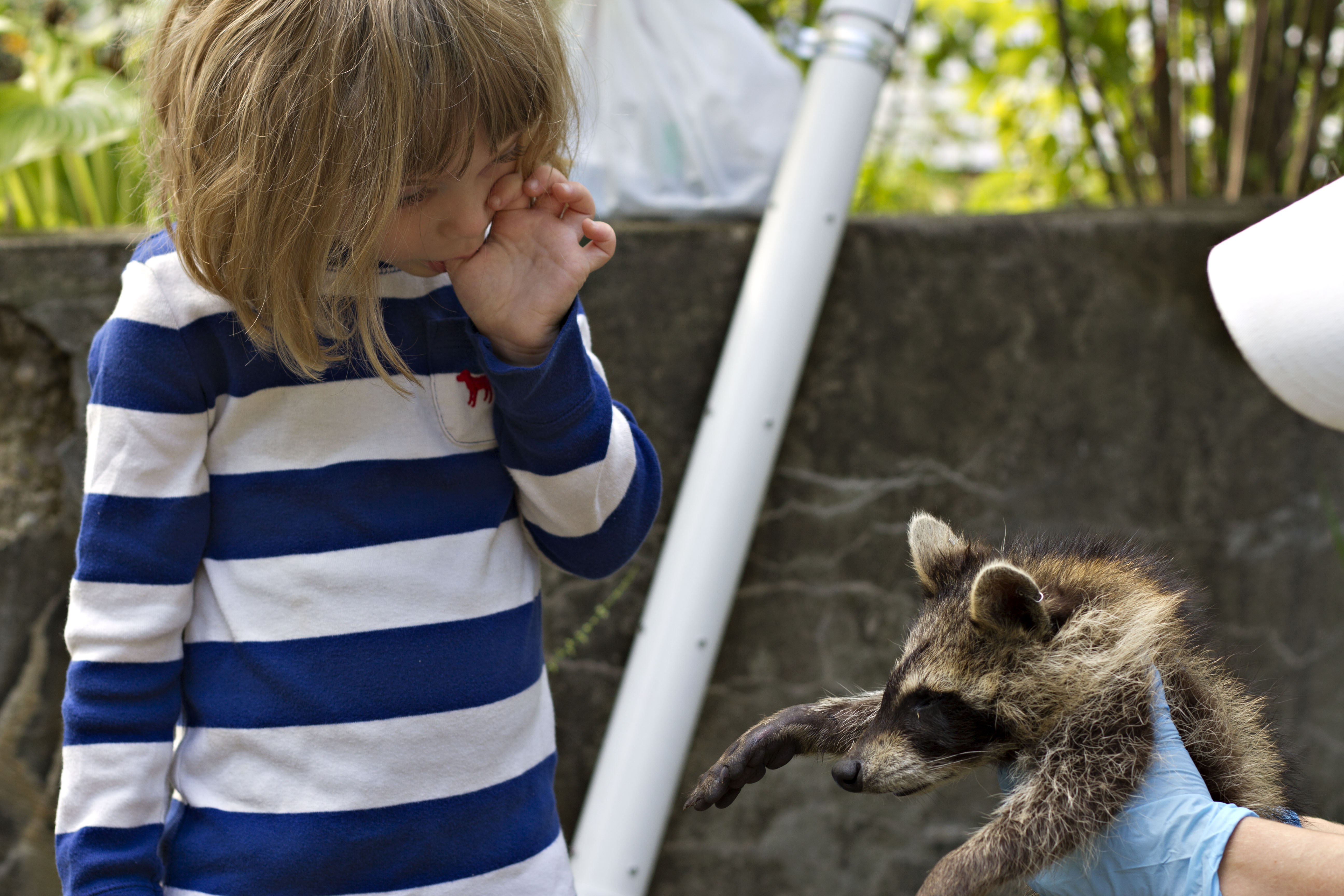
The girl was her mommy’s field assistant today.  She’s such a good listener now, that she was able to meet a quite sleepy raccoon.  Don’t worry, no animals were hurt in the creation of this post – the raccoon was asleep, and woke up shortly after the pictures were taken. (The girl didn’t touch the animal either – don’t worry, her mommy hasn’t lost her mind).

We know that our girl loves music, building with blocks, bugs and dirt…so I think she got a good dose of both mommy and daddy.  Who knows if she’ll ever work with animals like her mommy does, but I can tell she’s considering it!

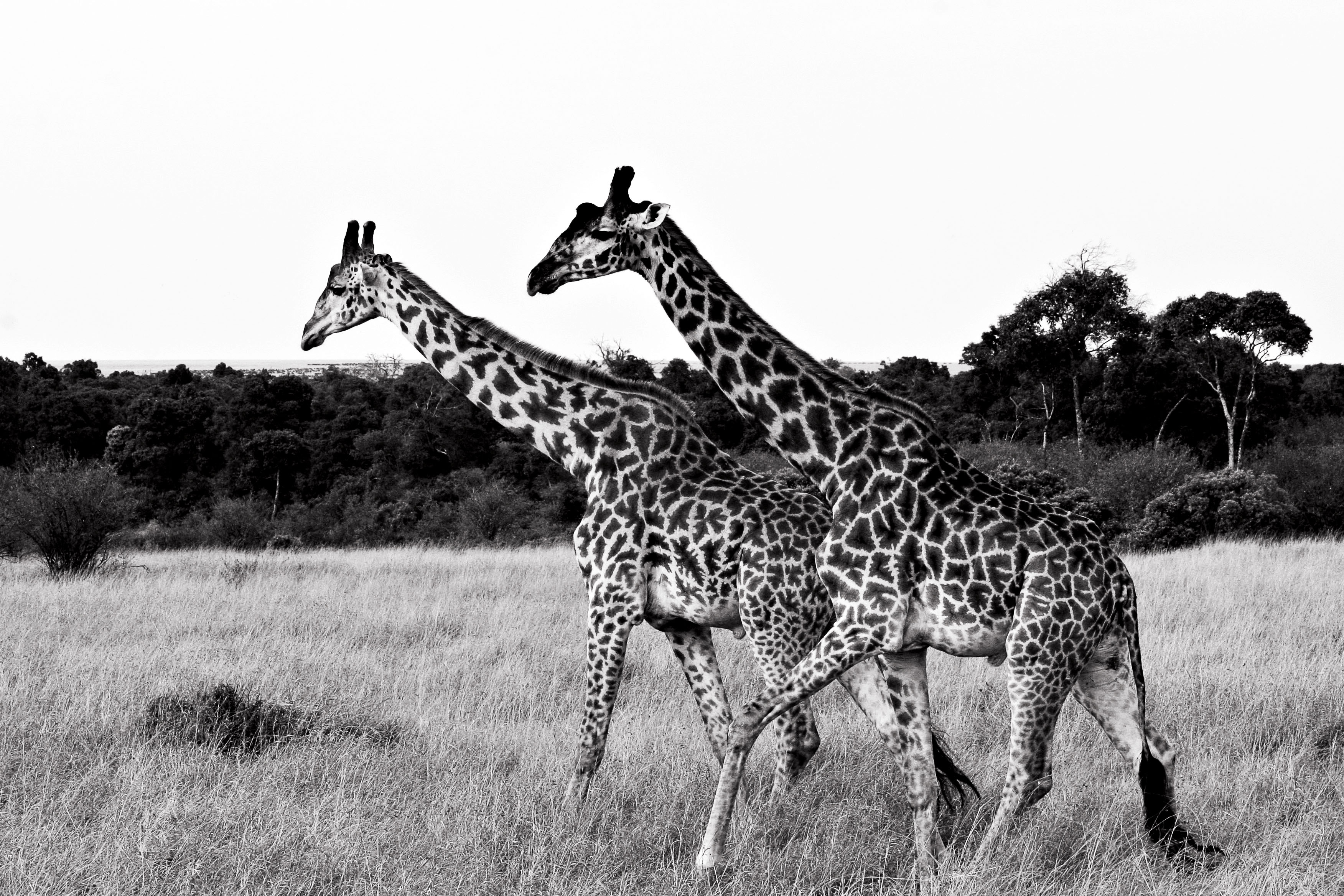
A Safari without Giraffes!

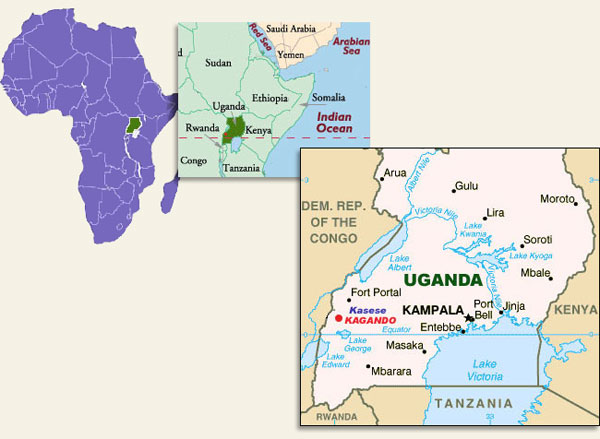
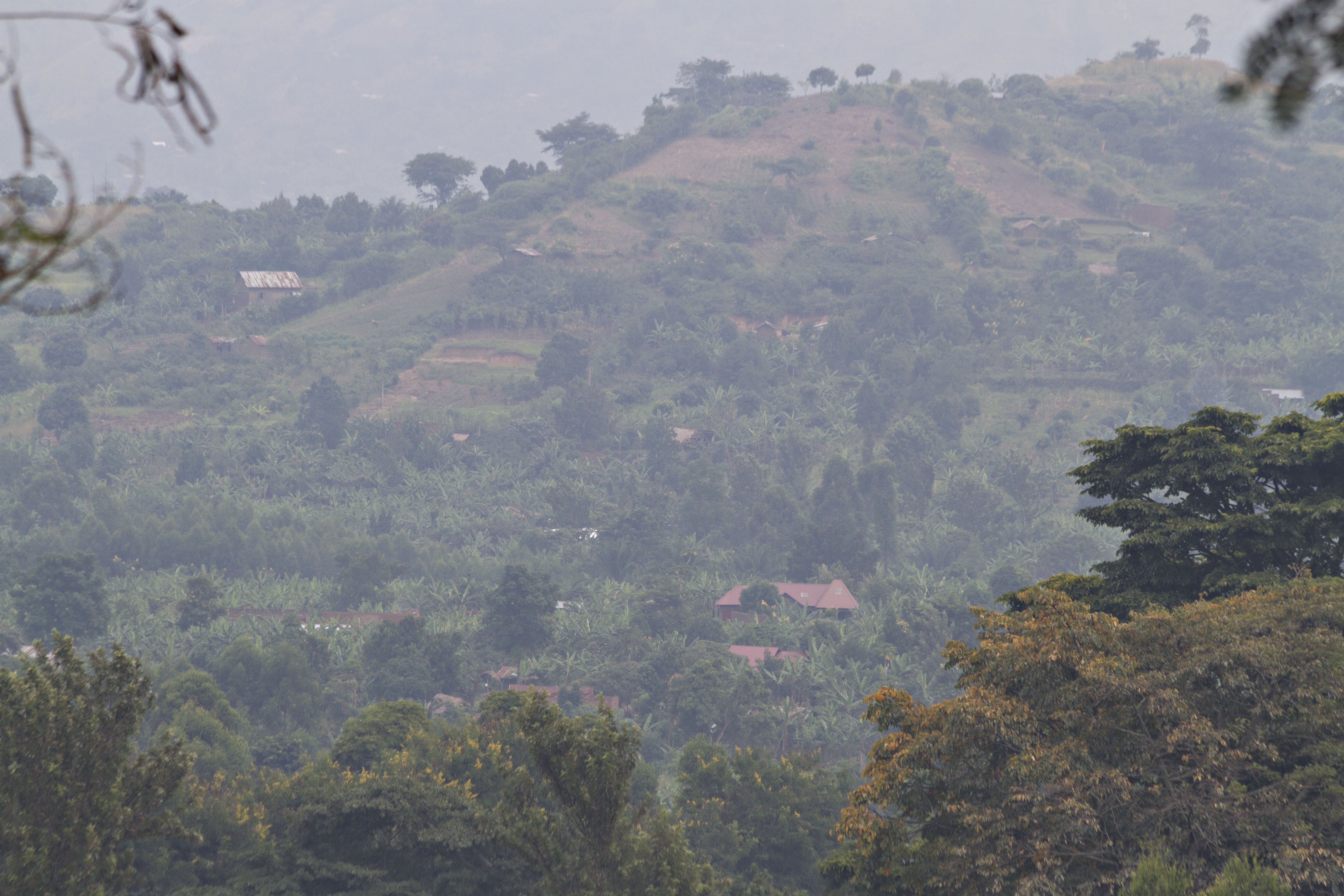
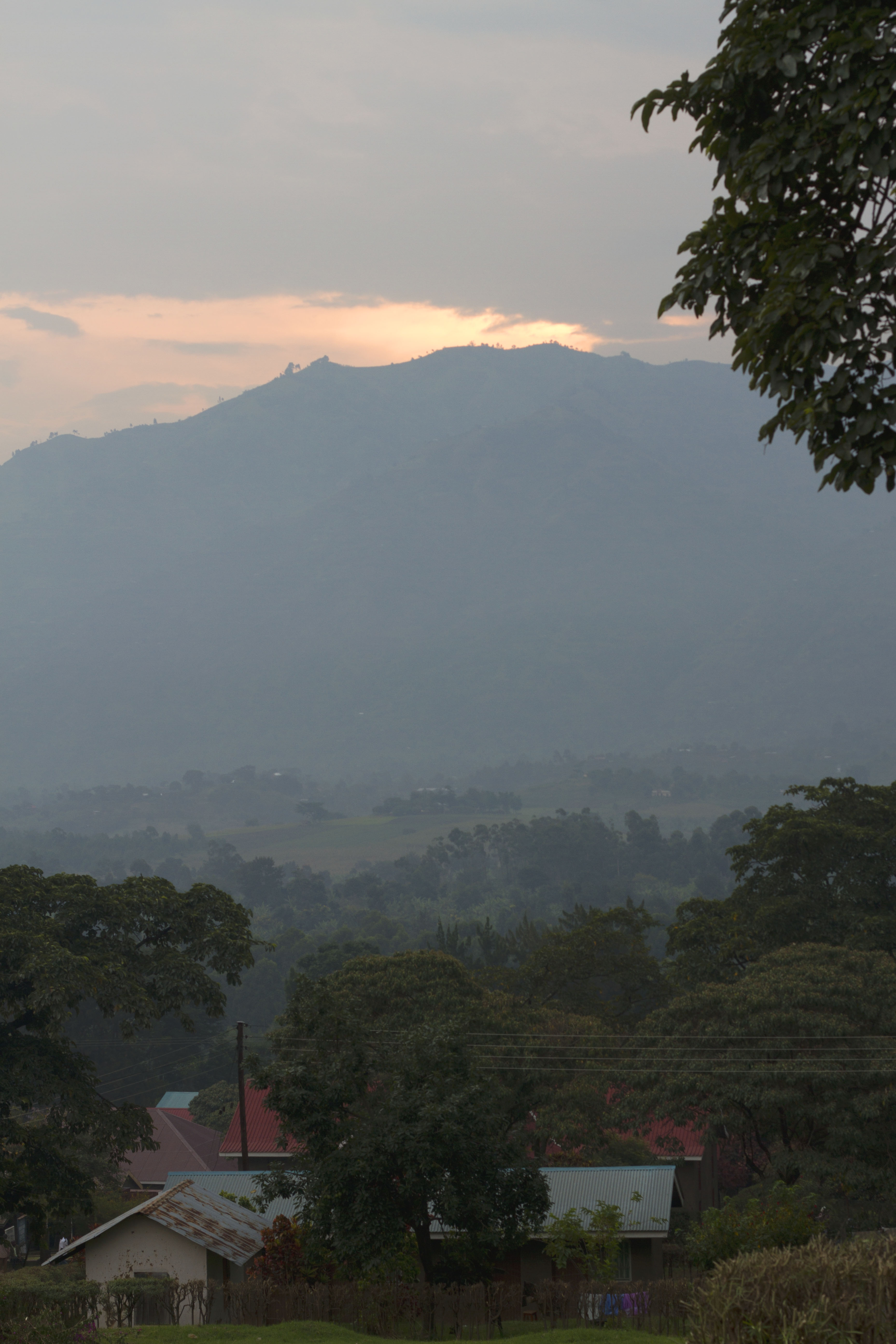
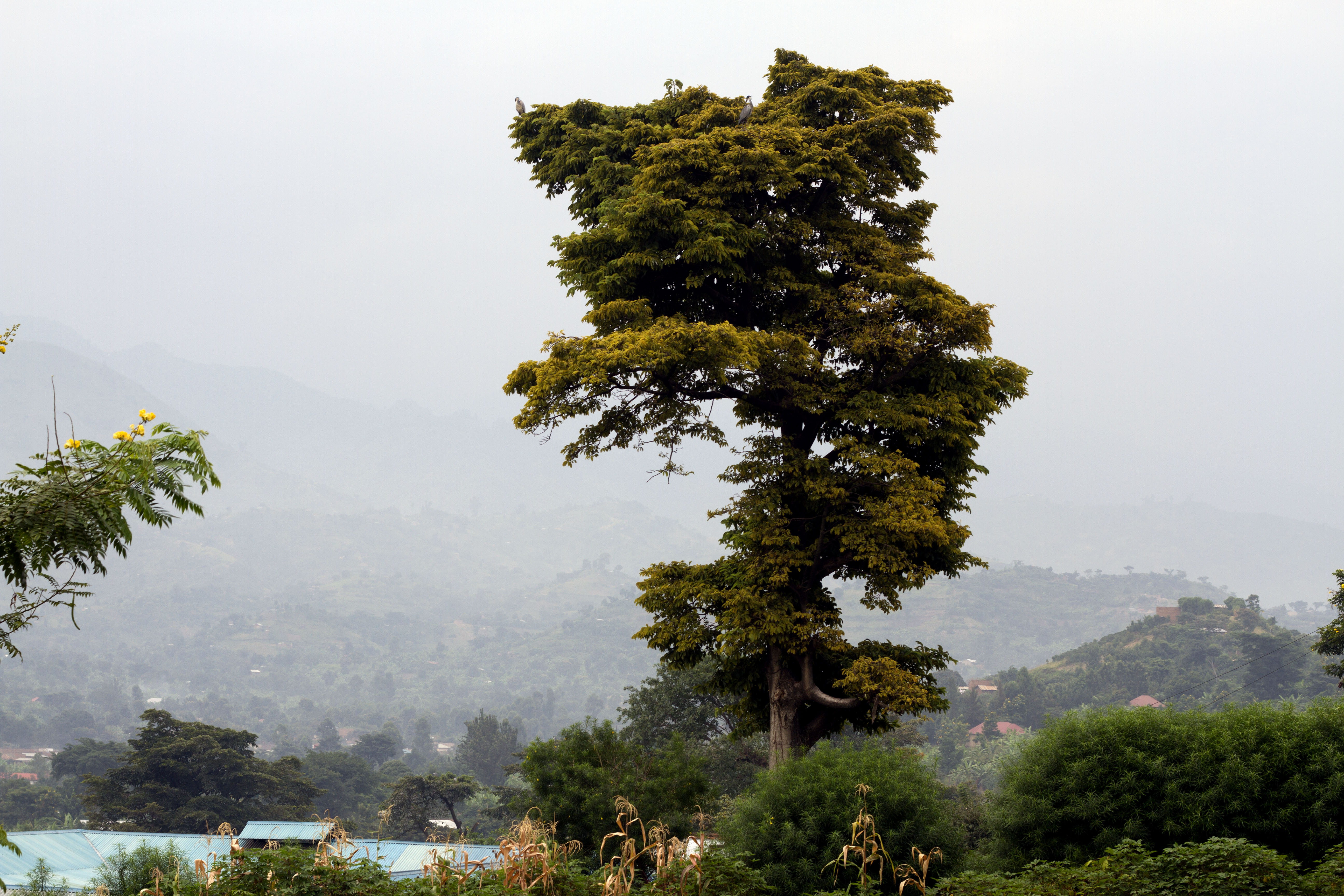
This picture was taken in Masai Mara, Kenya…in 2007.  I’ve been really blessed to go on several safaris over the years.  I never take them for granted and I try my best to learn what I can.  I also see them as a special retreat with my student.  This year, H and I needed a retreat!  As wonderful as the Hospital is, it was really good to get away. We hired a local driver who picked us up at 6:00am to drive us the 15 minutes to QENP. It was really beautiful, but I was constantly surprised at the “missing” large mammals!  I kept thinking “There is an Acacia, we should see giraffes soon!”  However,  there were no giraffes to be seen in Queen Elizabeth National Park!  The relationship between human suffering and  environmental degradation is something that I read, teach and write about.  I spend most of my time writing about the link between disease emergence and environmental damage http://flourishonline.org/2010/01/kristen-page-on-wendell-berrys-the-gift-of-good-land/ So, what happened to the giraffes? When large groups of mammals are missing, then there has been some large-scale disaster. Sometimes it’s climate, but usually it is a result of war. War and poverty has resulted in the demise of many of the larger mammal species in this part of Western Uganda.  I did a quick online search to see what was written about the lack of large mammals.  All I found was complaint after complaint about how “Africa isn’t Africa without a giraffe”.   No one seemed to understand that the plight of the giraffe is tied with the plight of the people. I try to remember that I’m not the “average safari tourist”.  I am in this part of the world to mentor students who are dealing daily with poverty.  They are working in communities where clean water is unheard of, protein is a luxury, and “going on safari” is the most ridiculous thing imaginable (if it could even be imagined).  So, I try not to take it for granted when I am blessed to be in close proximity to some of the most amazing things God has created!

Even though, we saw no giraffes or even Zebra, the Safari was incredible!  I even added a few life species!  Check out these amazing creatures:

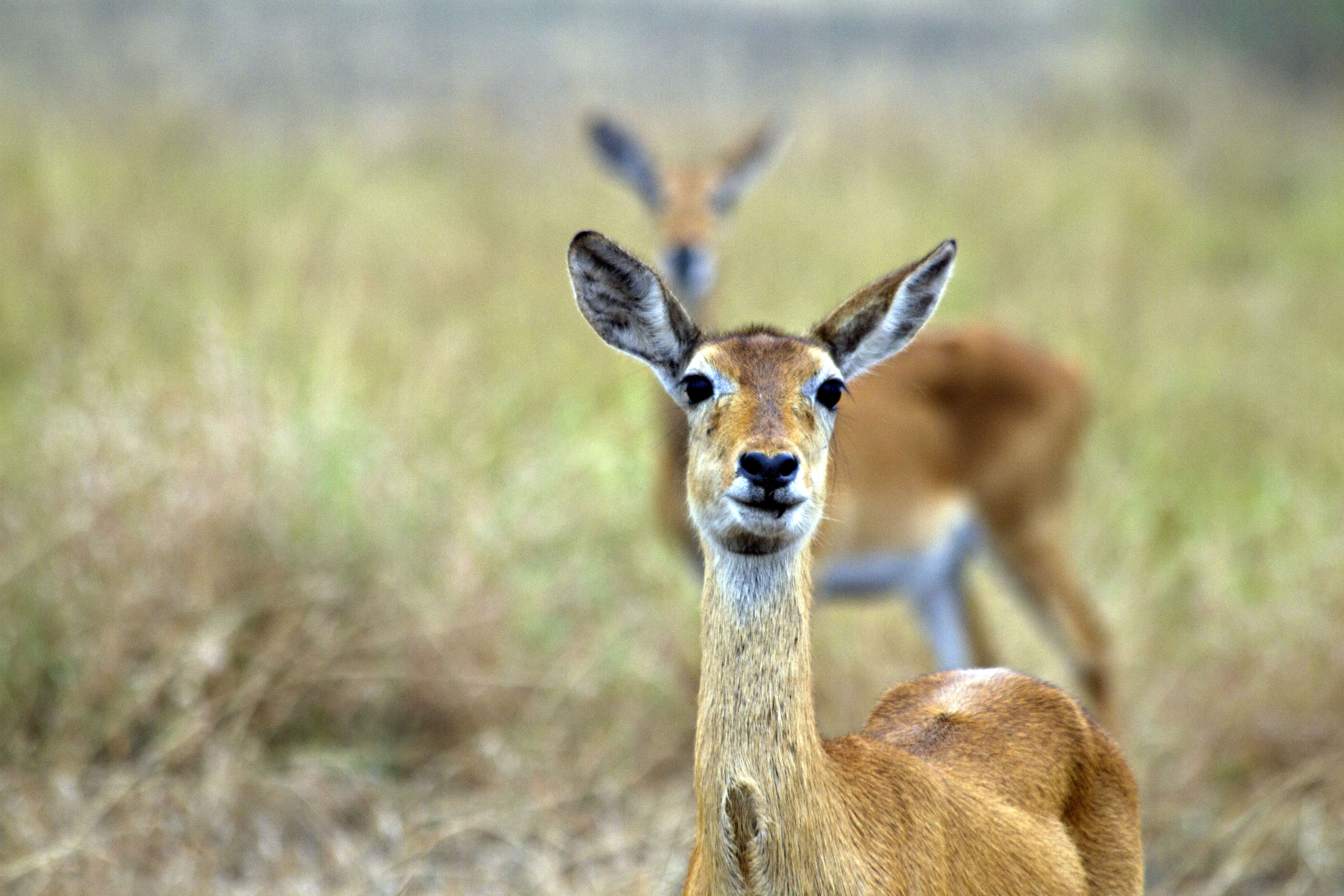
Uganda Kob (a life species for me)

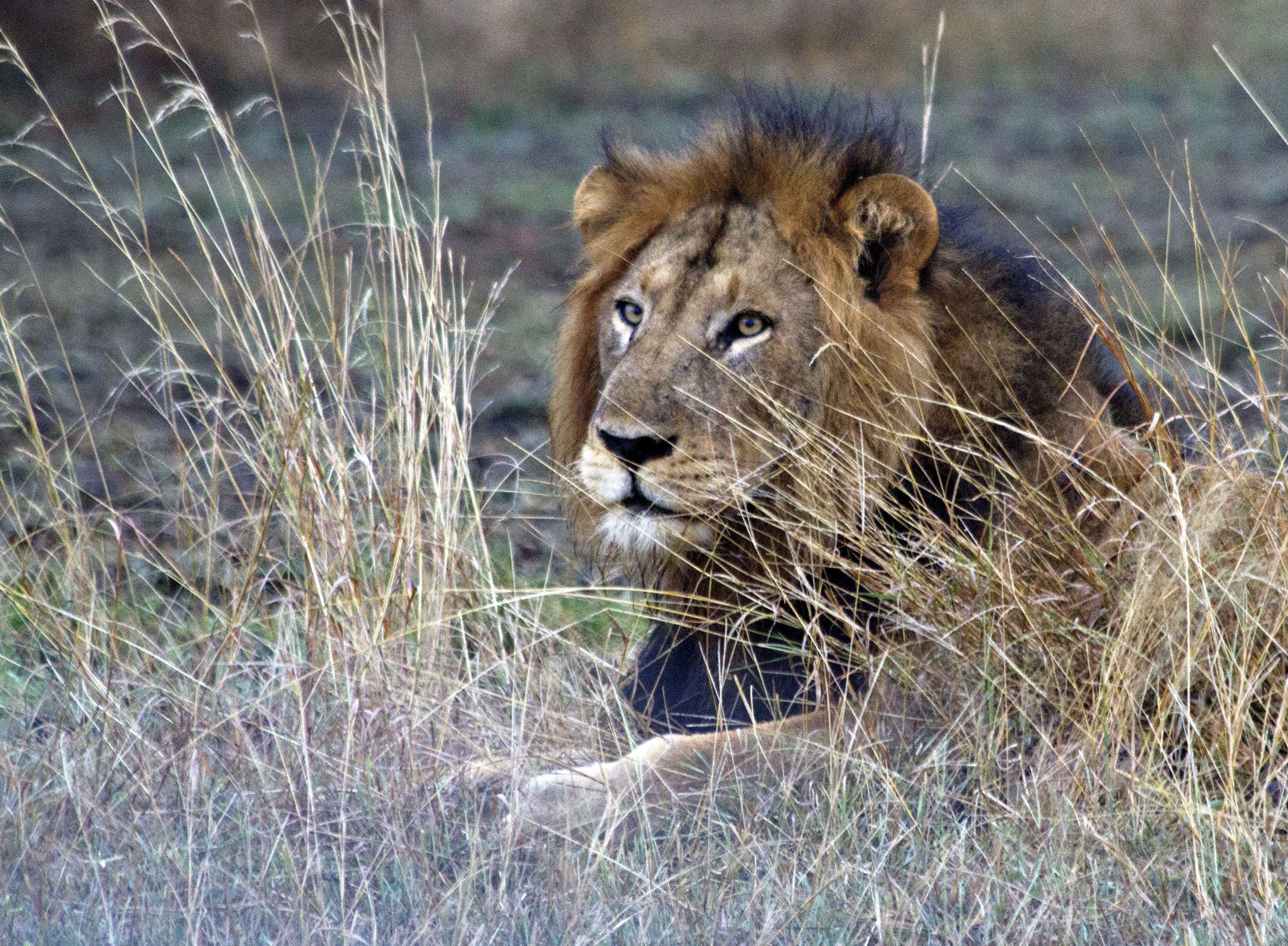
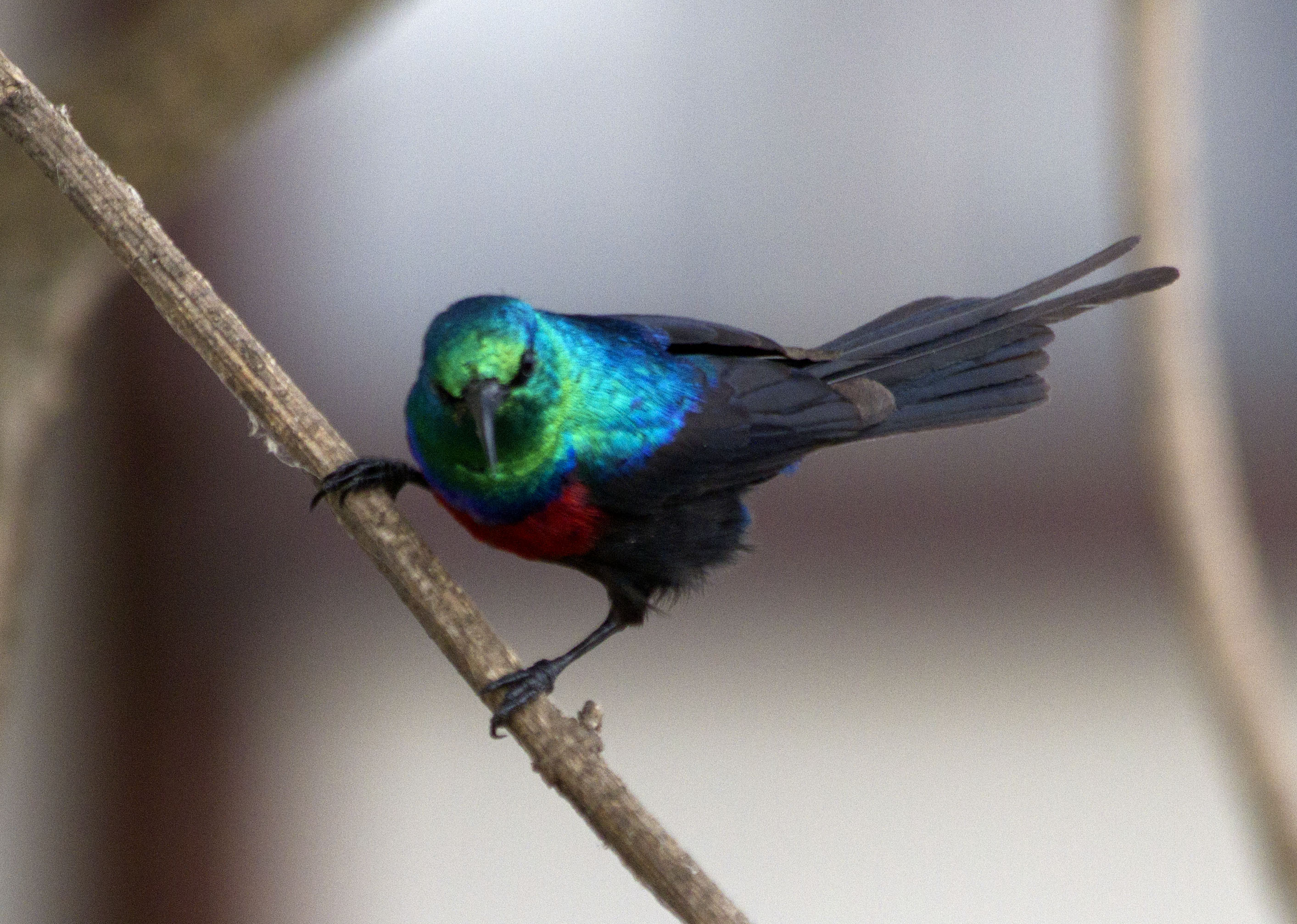
Lion (I hope I didn’t need to tell you that)Martial EagleHippos! (the closest I’ve ever been)Red Chested Sunbird

African Dusky Flycatcher (life species)

Warthog
HamerkopWater Thick Knee (life species)

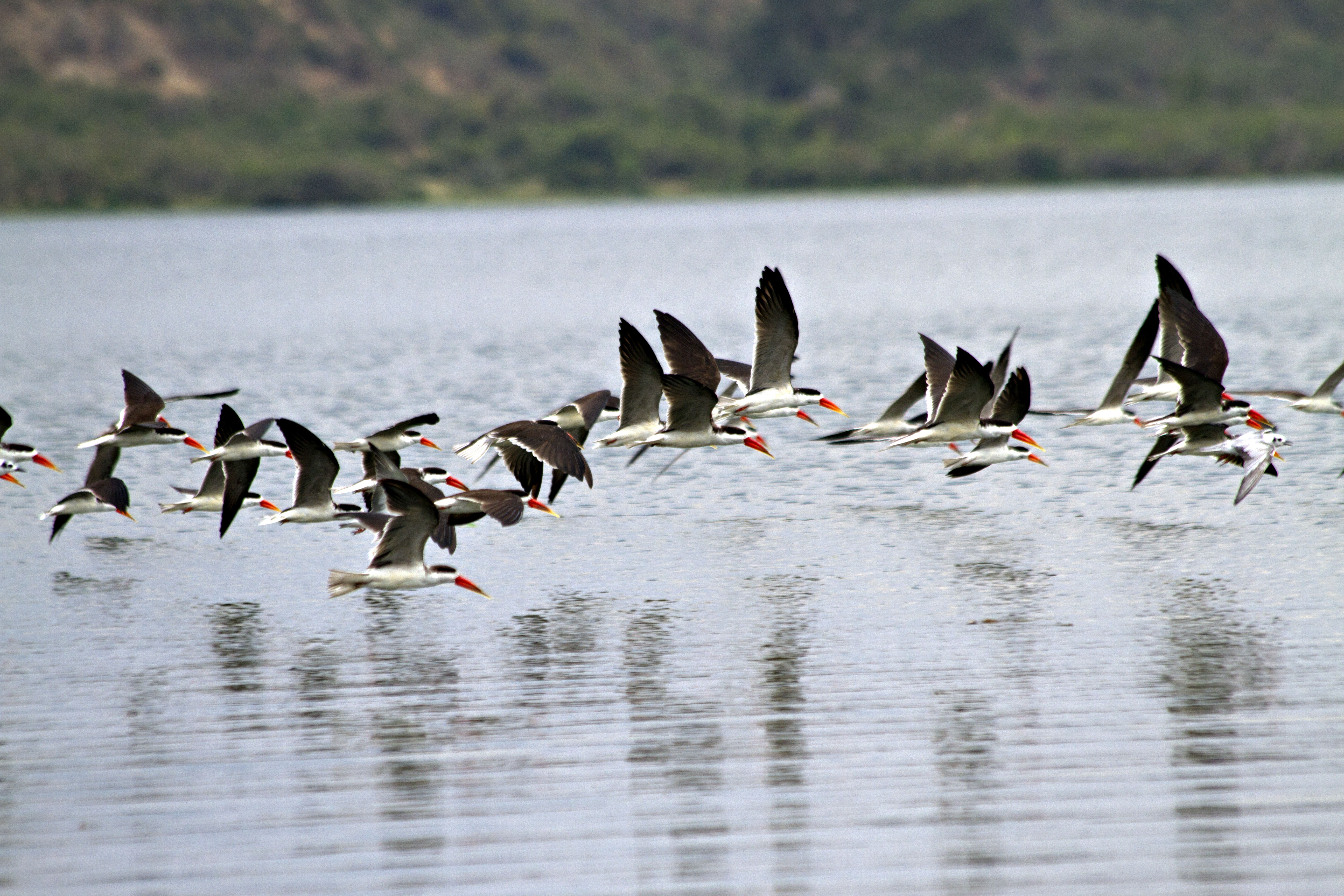
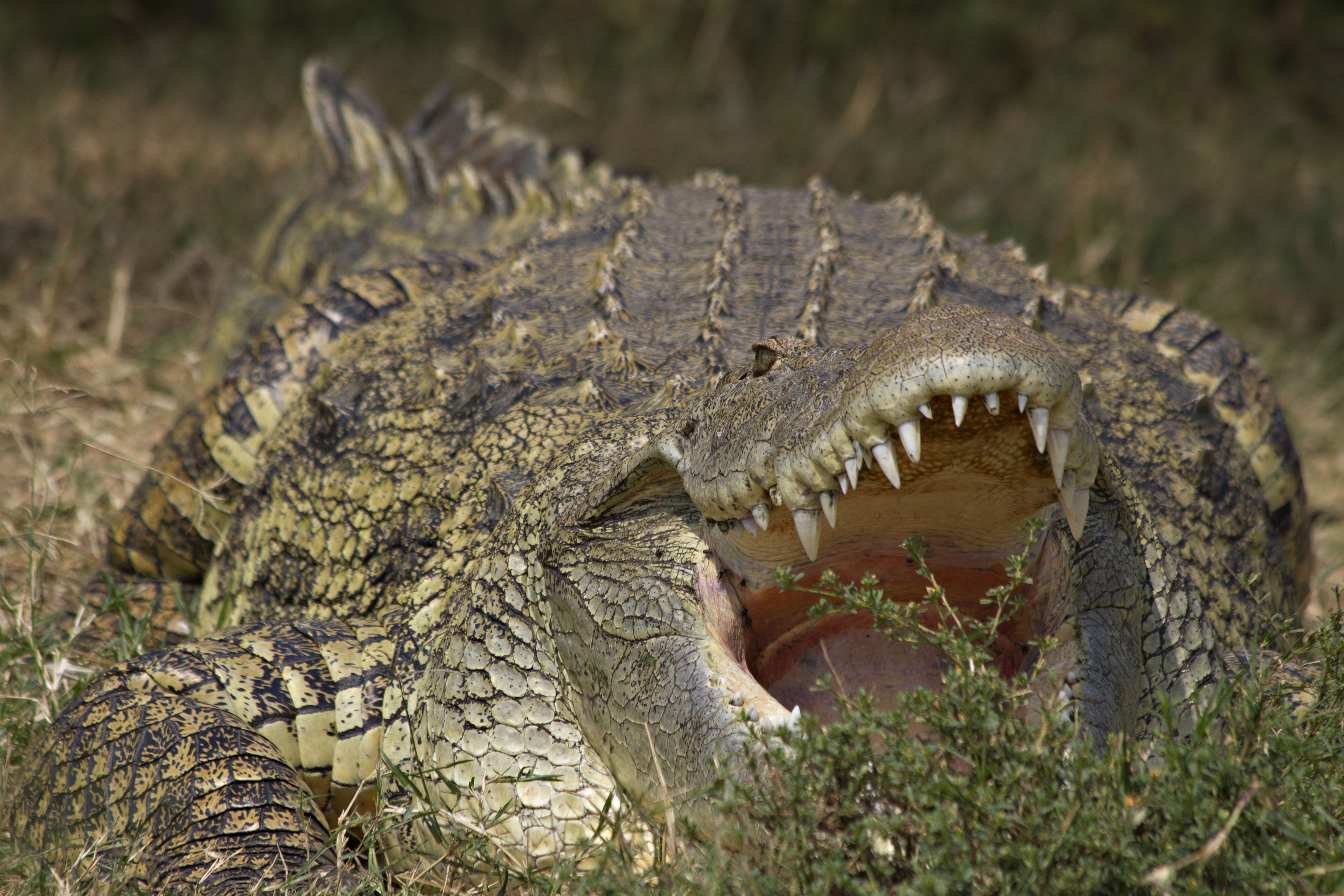
Malachite Kingfisher (life species)African Jacana African Skimmers (life species) – there is also a gull-billed tern in the photo (life species)Squacco Heron (life species)Cape Buffalo (crossed with a forest buffalo) and a Cattle EgretCrocodile!  (don’t worry, I was in a boat)

Waddled Lapwing

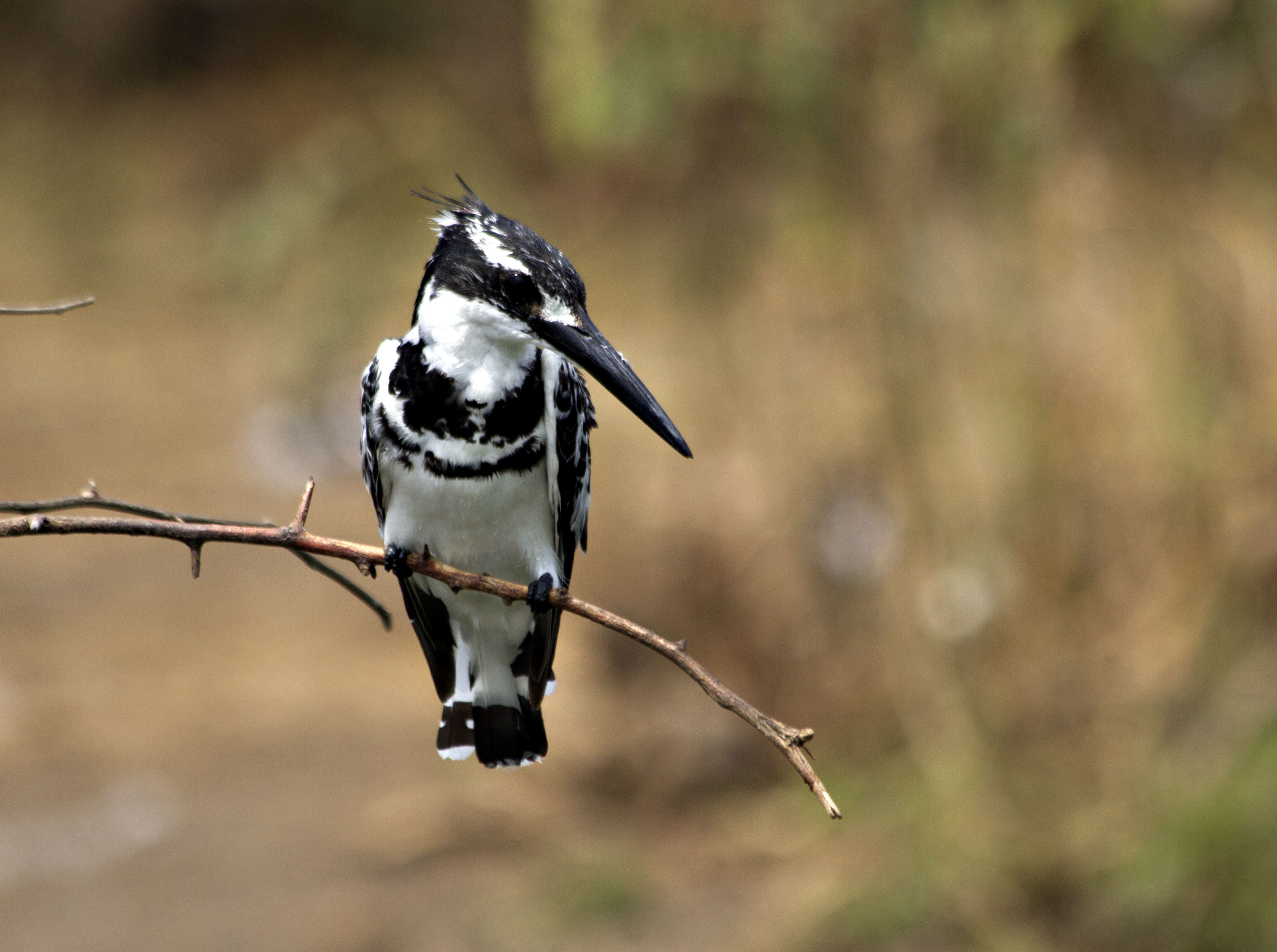
Pied Kingfisher

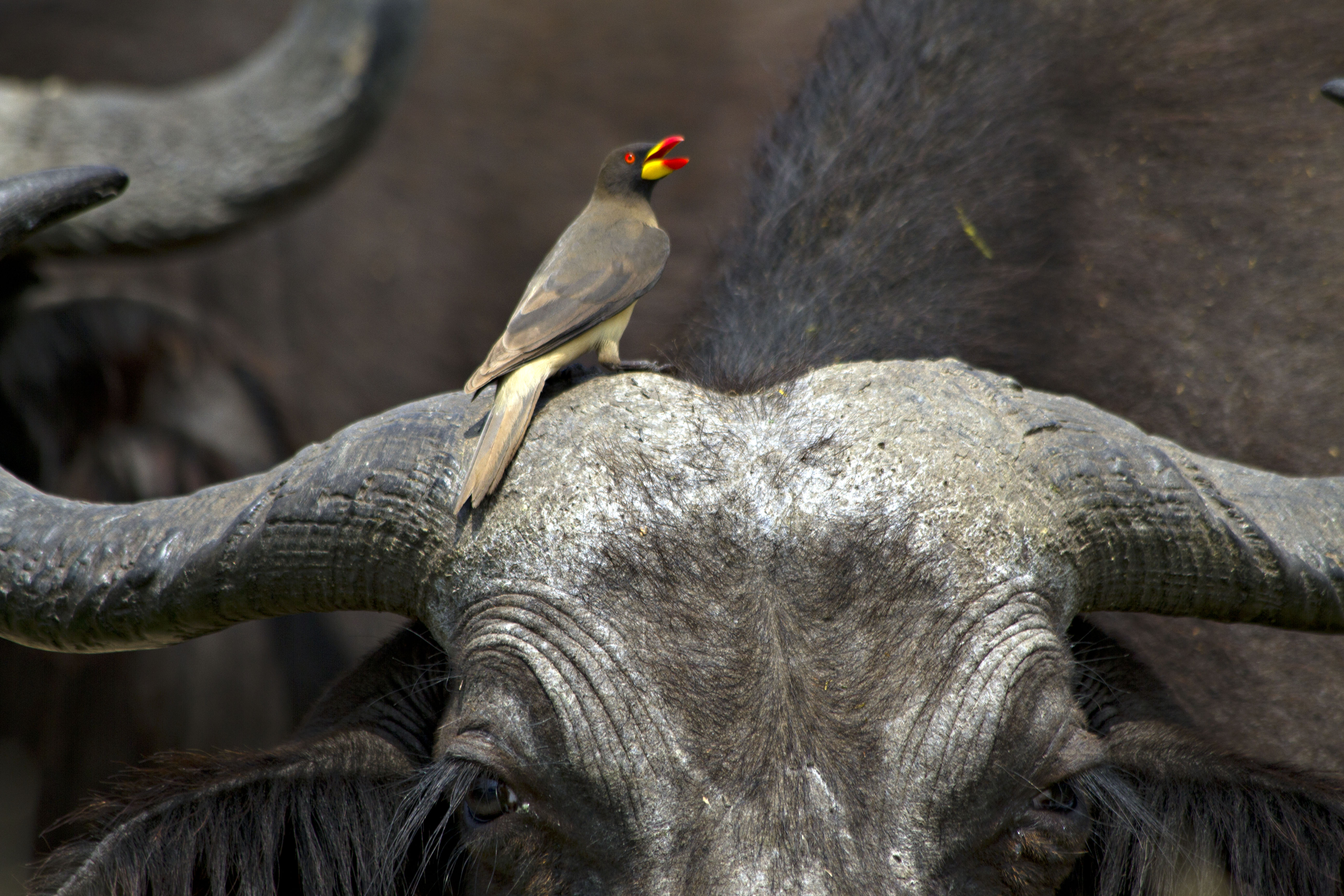
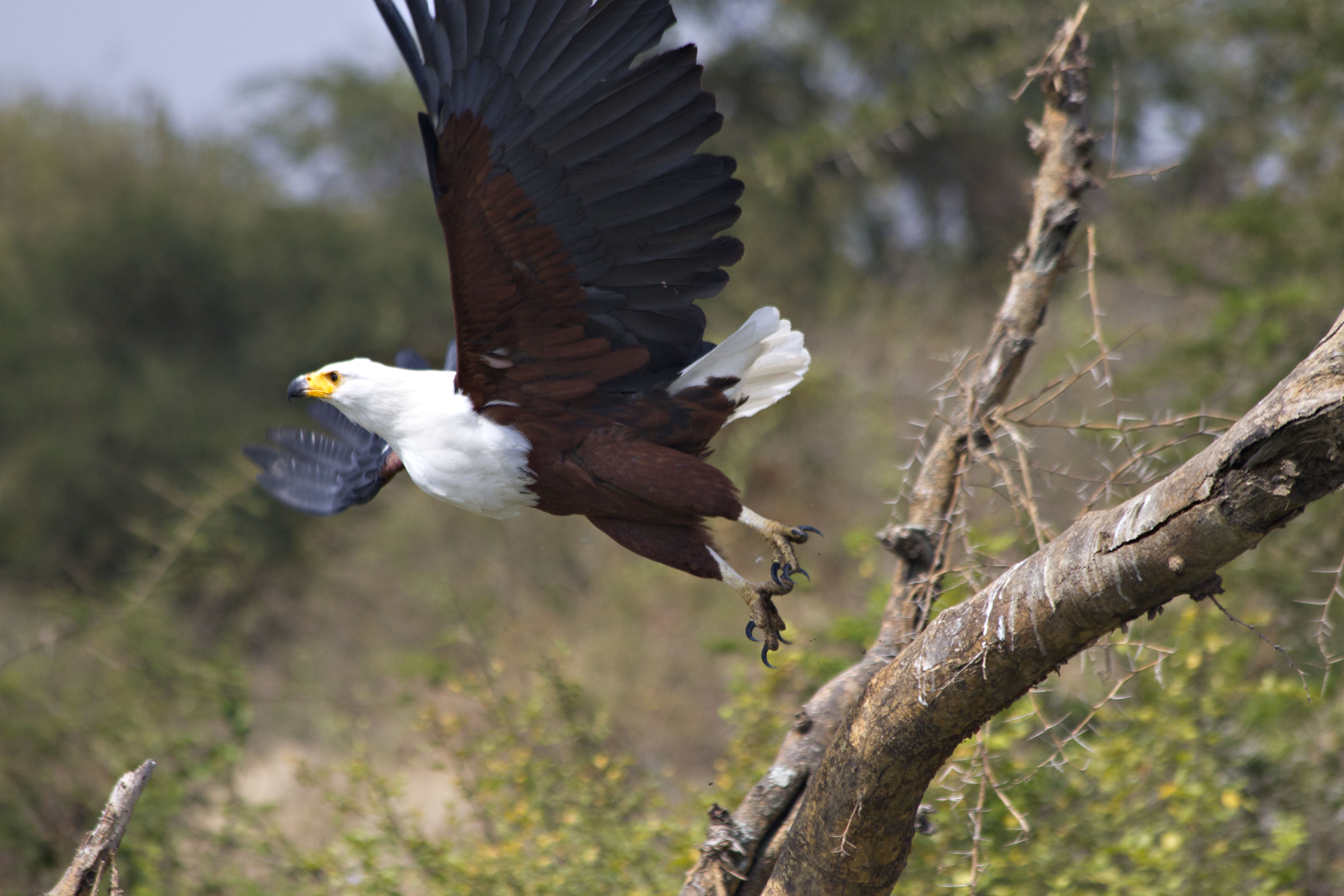
Yellow-billed oxpecker African Fish Eagle

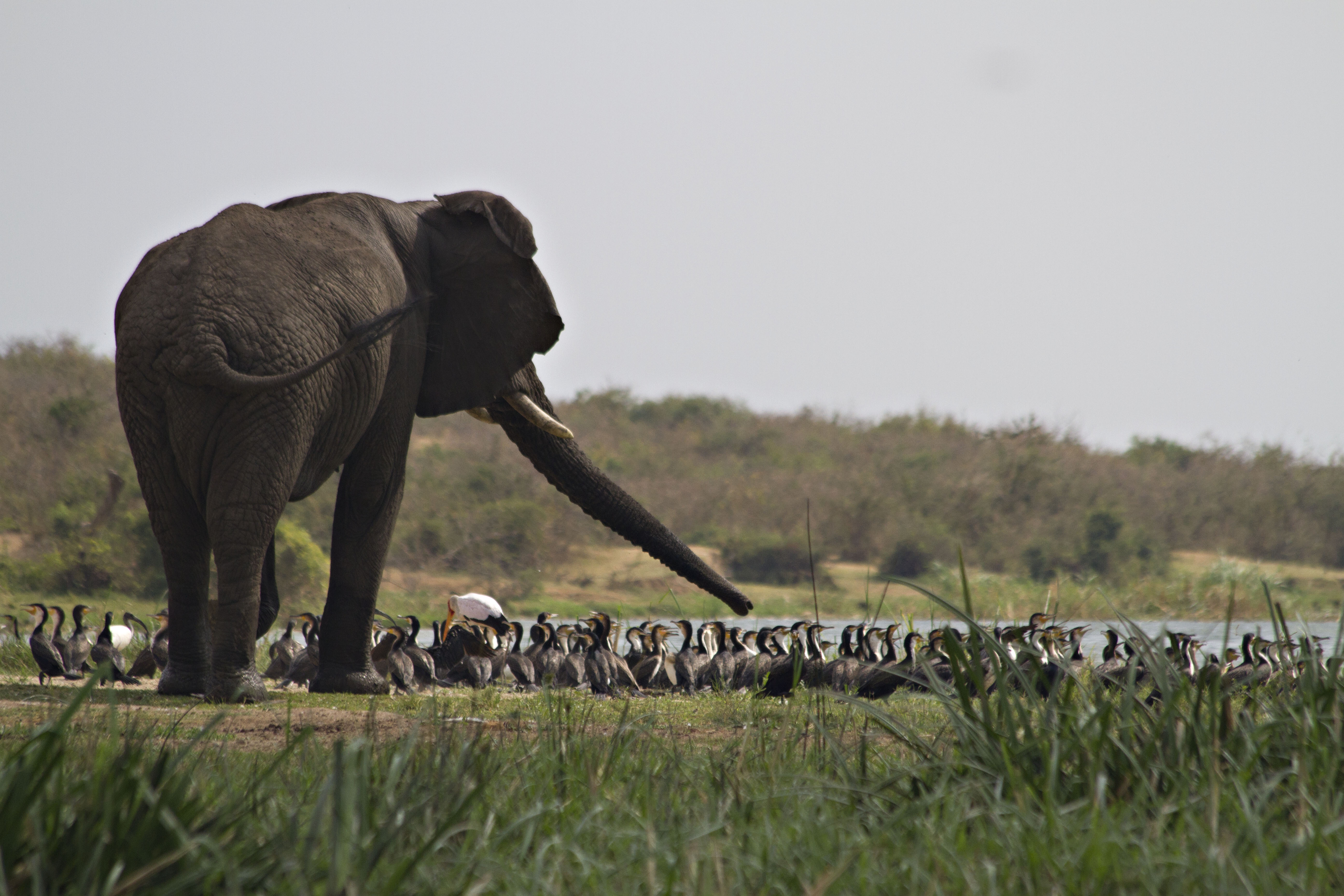
Elephant + Greater Cormorant + Yellow-billed stork

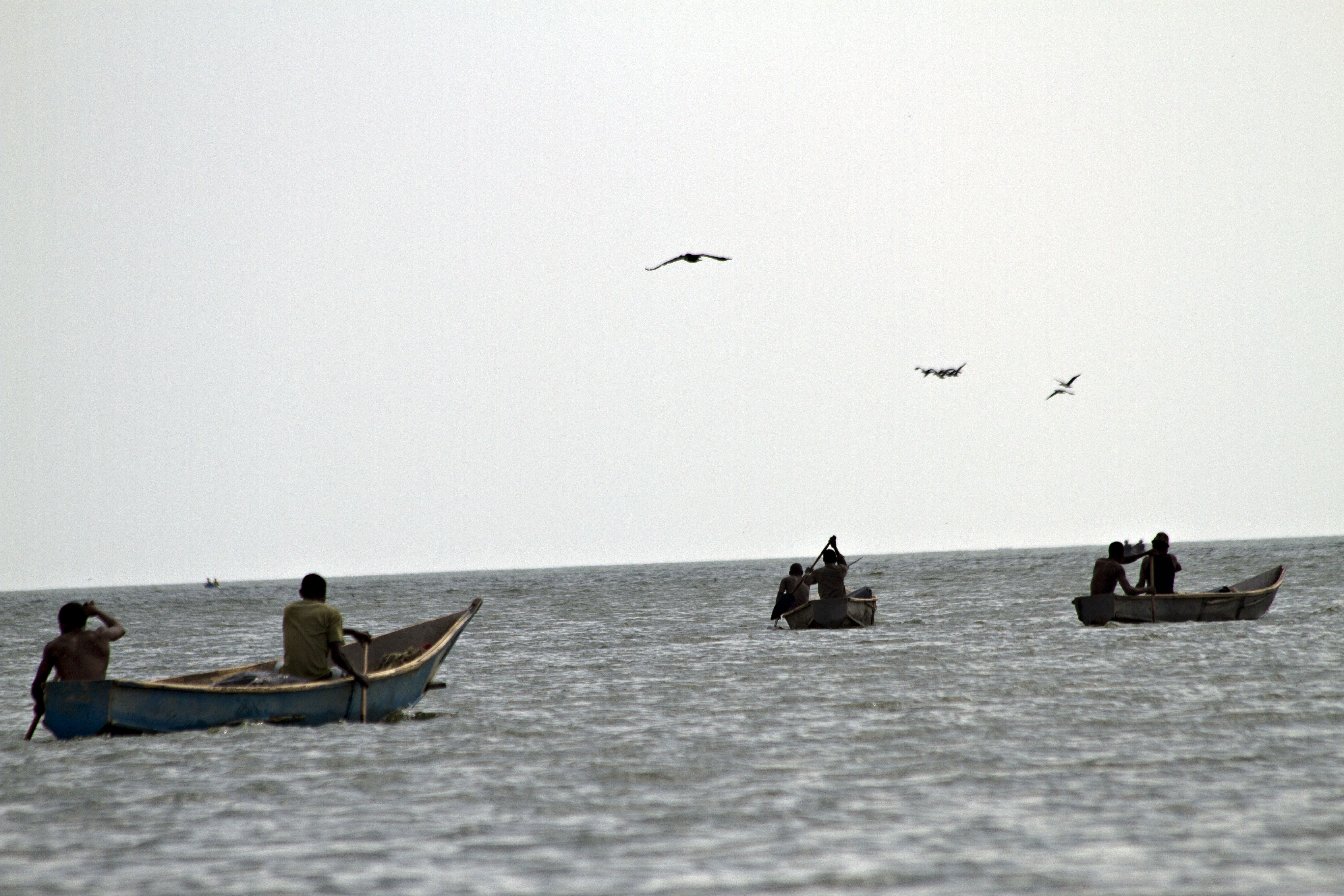
There are still villages within the park boundaries.  The people in this village are allowed to fish in Lake George.

This part of the world is starting to recover, but only because there are compromises in management that benefit both wildlife and people.  The giraffes and zebra are gone, but hopefully the surviving species will remain!

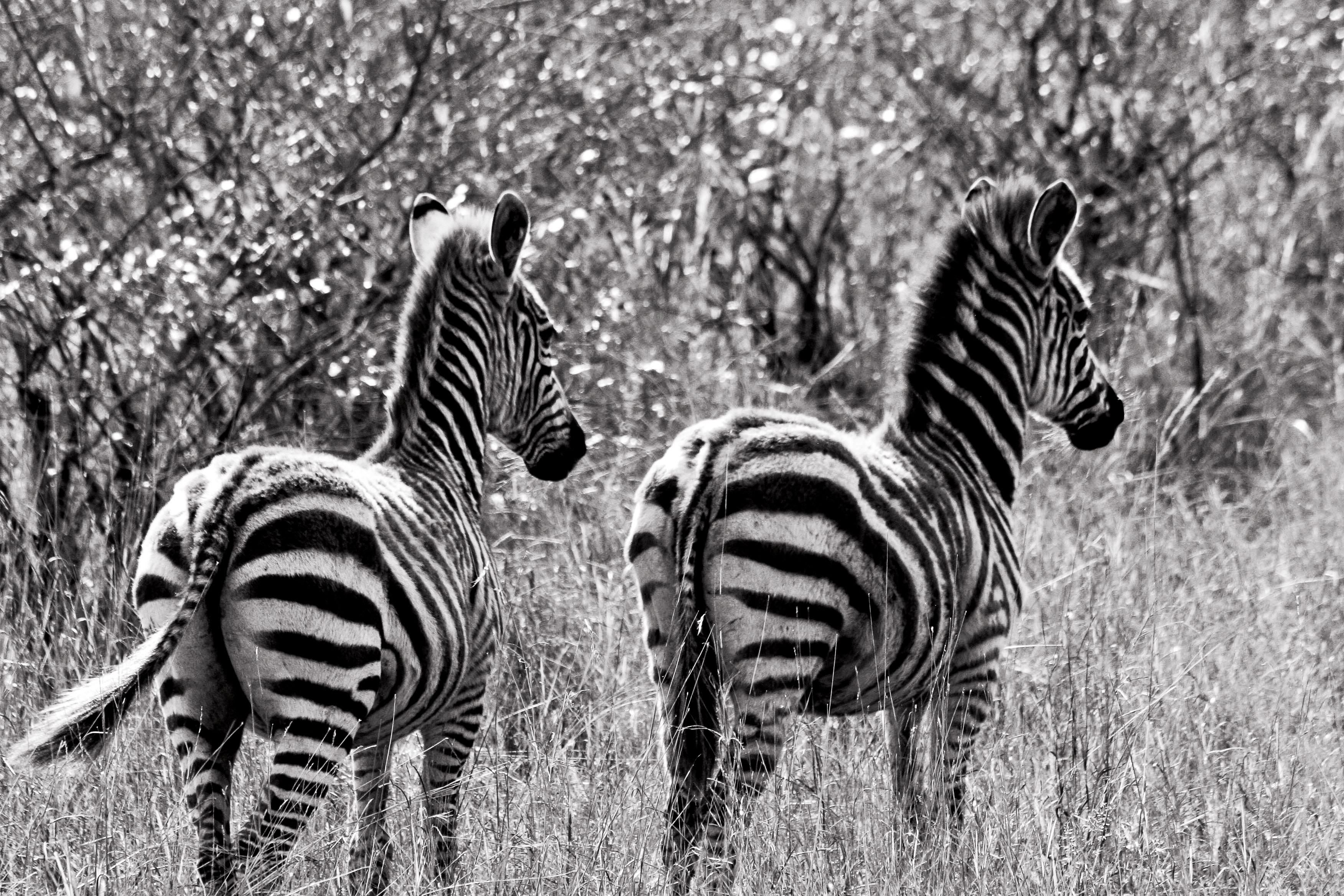
Masai Mara, Kenya 2007

Beautiful Children

20120816-060128.jpg
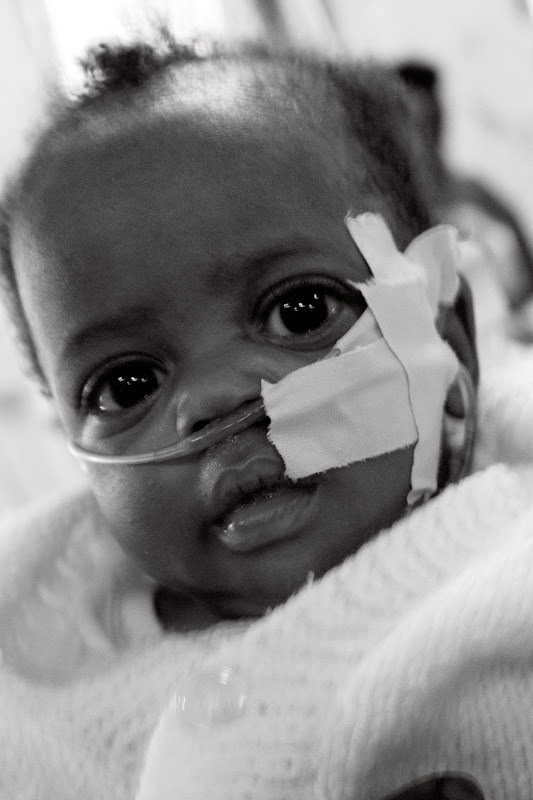
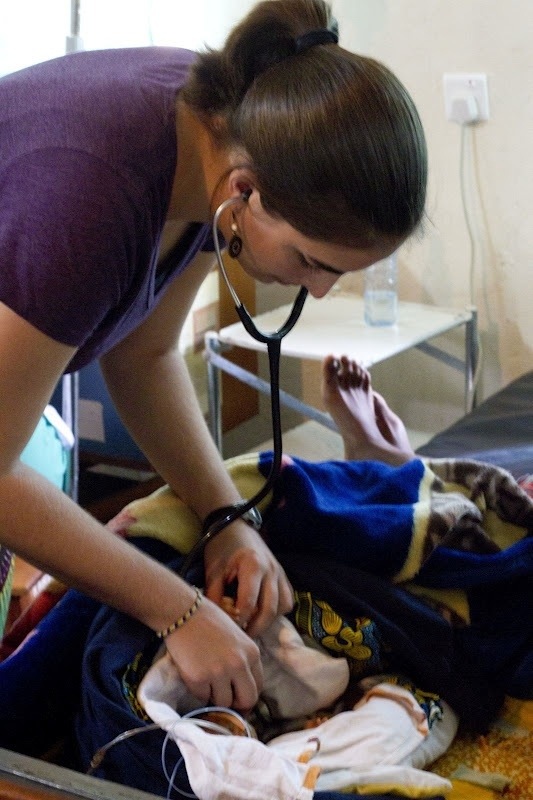
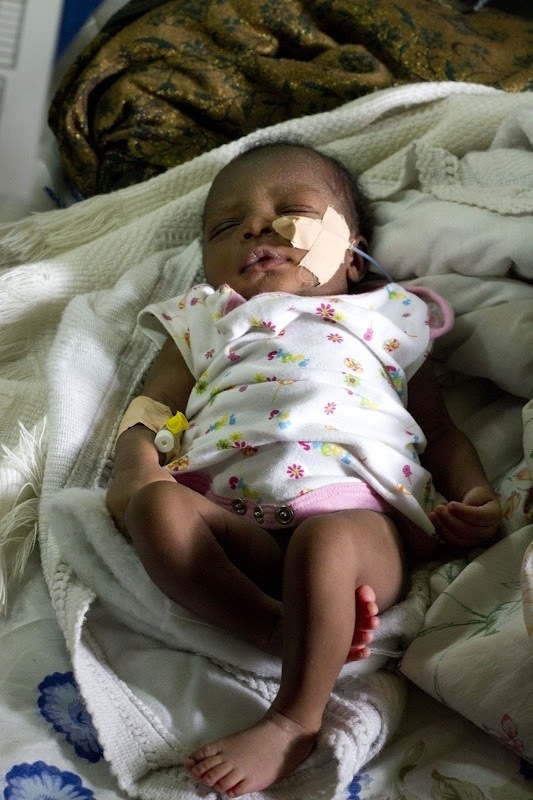
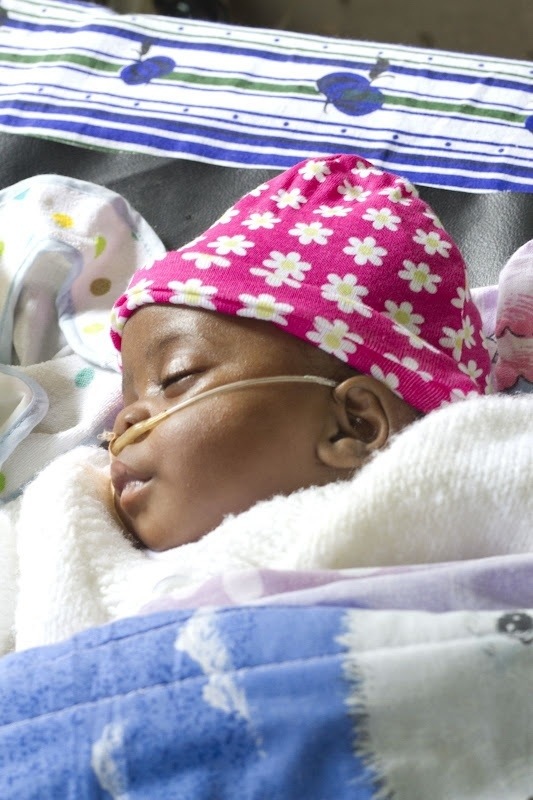
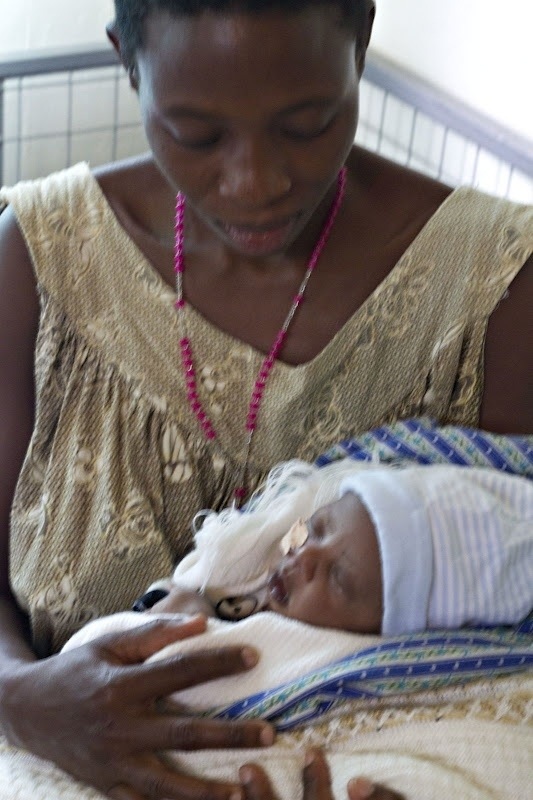
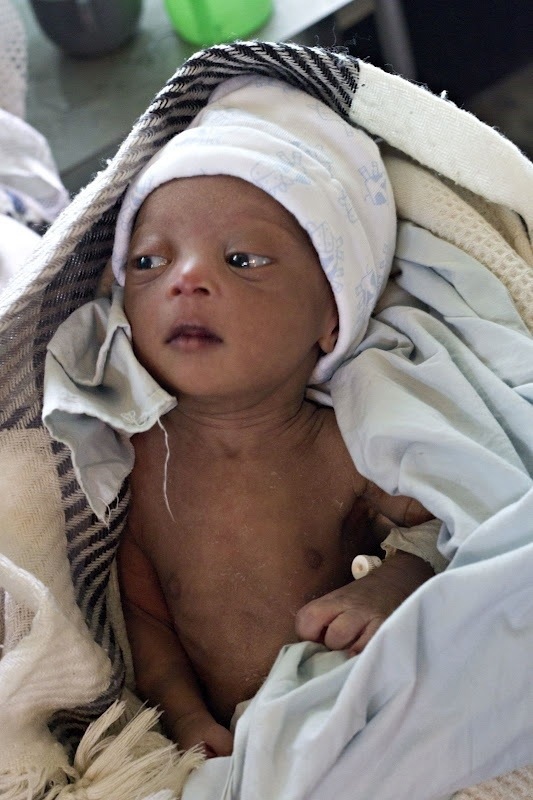
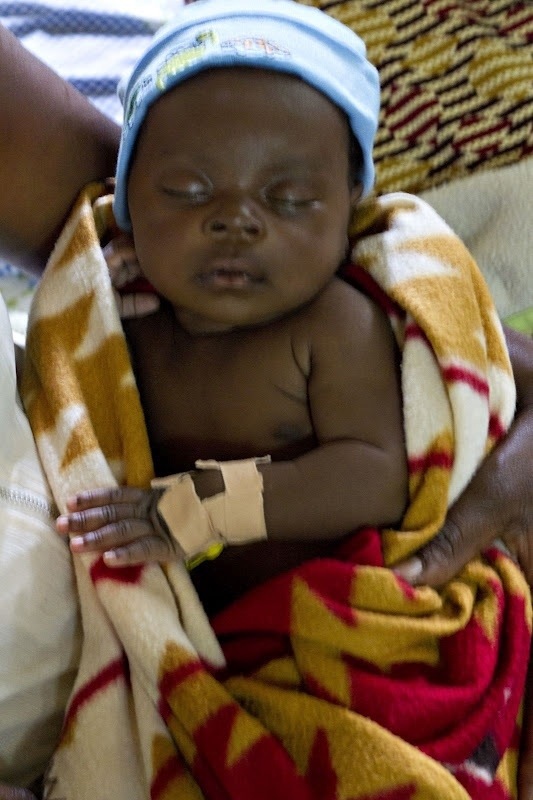
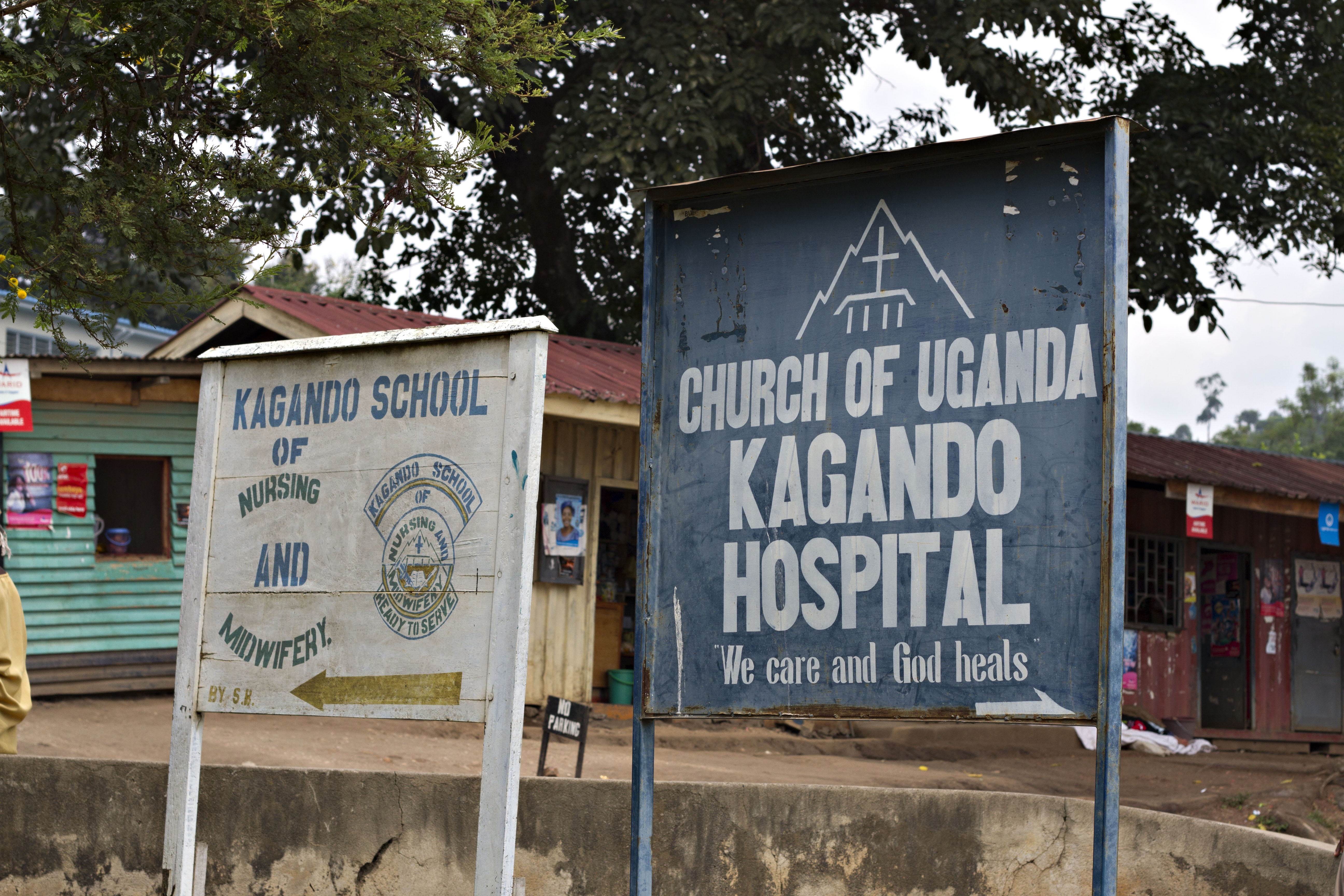
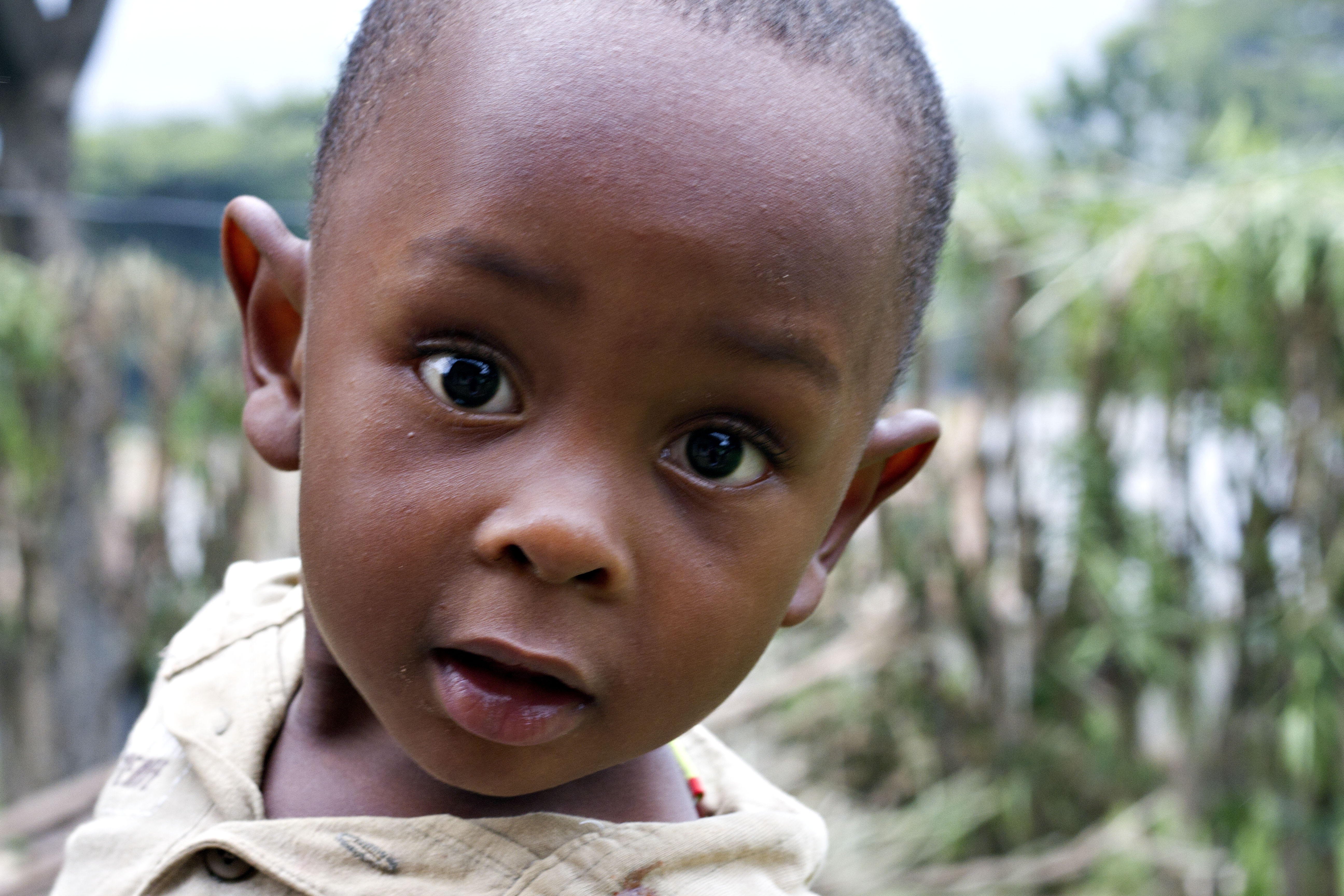
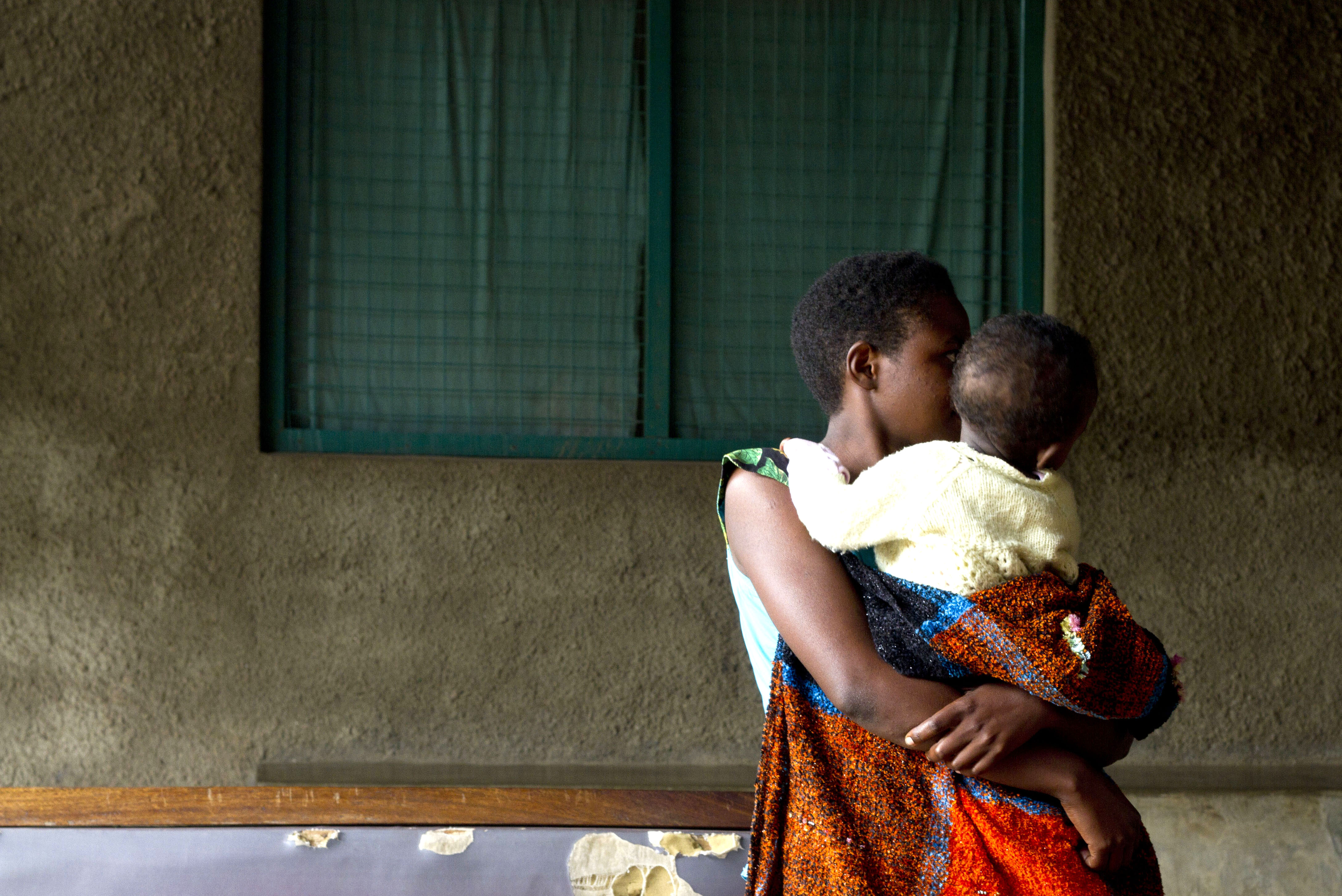
The kids at Kagando are in terrific hands. The pediatricians and nurses are excellent, and care about the patients. However, I was overwhelmed by the fact that most of the kids had totally preventable illnesses. Clean water and sanitation would empty out most of the beds. The doctors do amazing work, despite a crippling lack of resources. I wish that a kid’s recovery was never limited by the fact that there isn’t a ventilator…or there isn’t the right medicine. If my girl had been born in Uganda, she would live her life with a tethered cord and all of the consequences of nerve damage. I am so thankful that we were able to take care of her, but I wonder what can be done to give the kids at Kagando a similar chance at a healthy life?

20120816-060918.jpg

20120816-060931.jpg
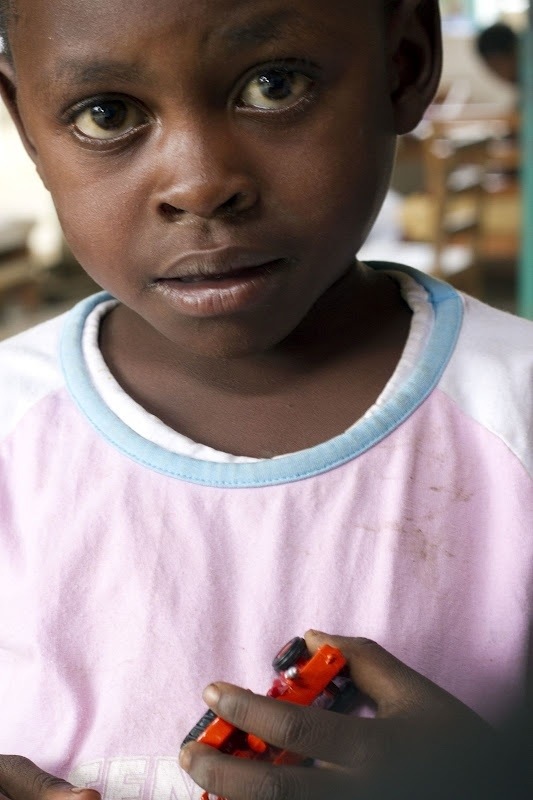
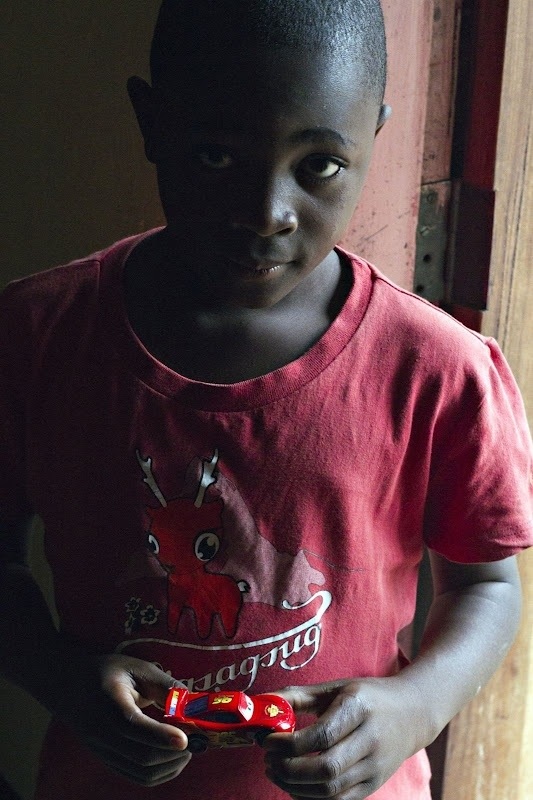
While it was frustrating to be faced with these limitations, thanks to many of you, I was able to see how a little joy can be powerful medicine. I wasn’t able to capture many pictures, but I can say that there were lots of big smiles as I handed out toys and hats.

20120816-061418.jpg

20120816-061431.jpg

20120816-061442.jpg

20120816-061451.jpg

20120816-061501.jpg

20120816-061511.jpg

Off to Uganda

Thank you to everyone who helped the girl implement her plan!

We collected nearly 100 hats for the babies and over 200 small toys for the bigger kids!  Hopefully this will bring some cheer.

We are very excited to see what unfolds…well, most of us are!

Landscapes

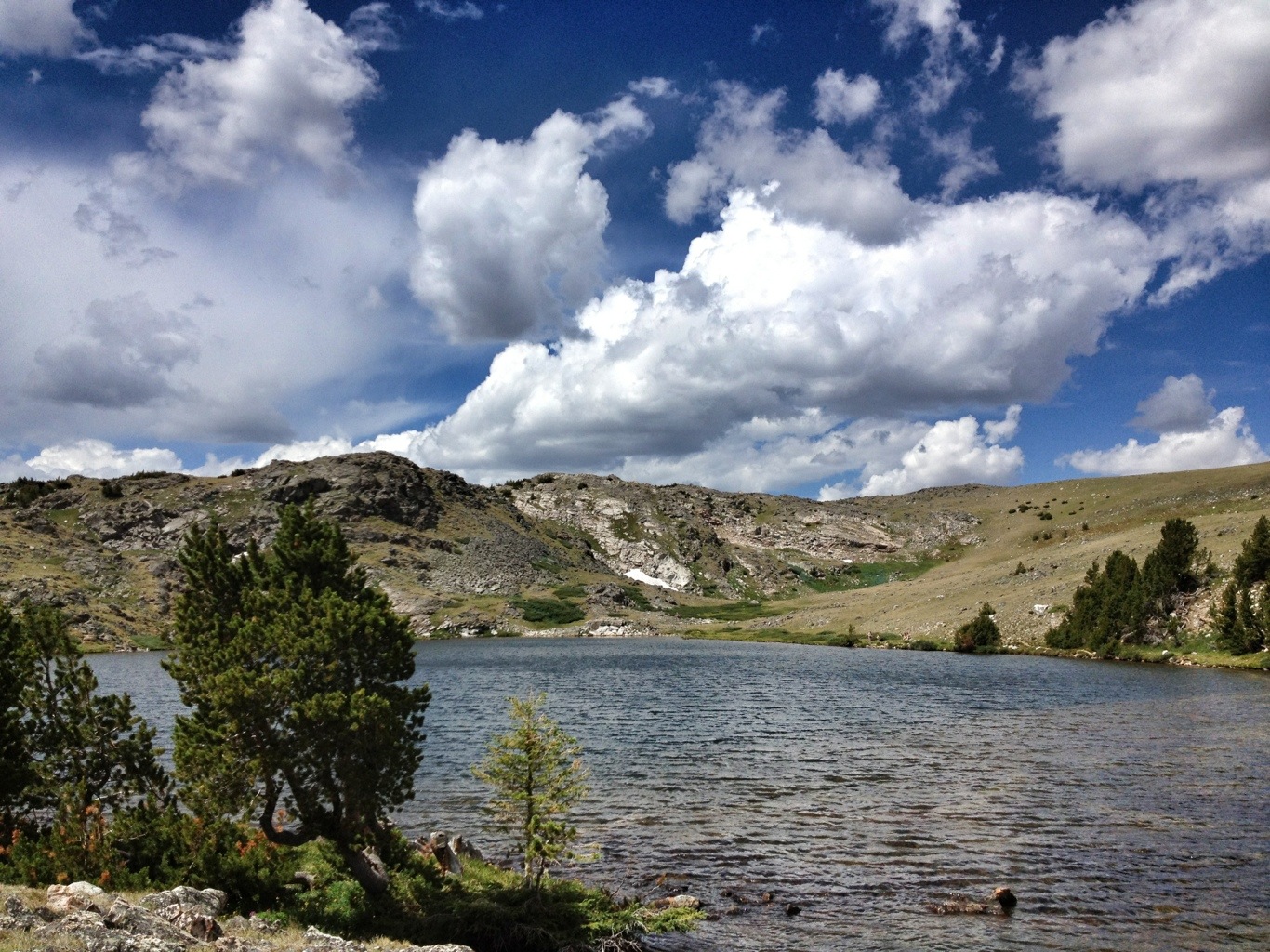
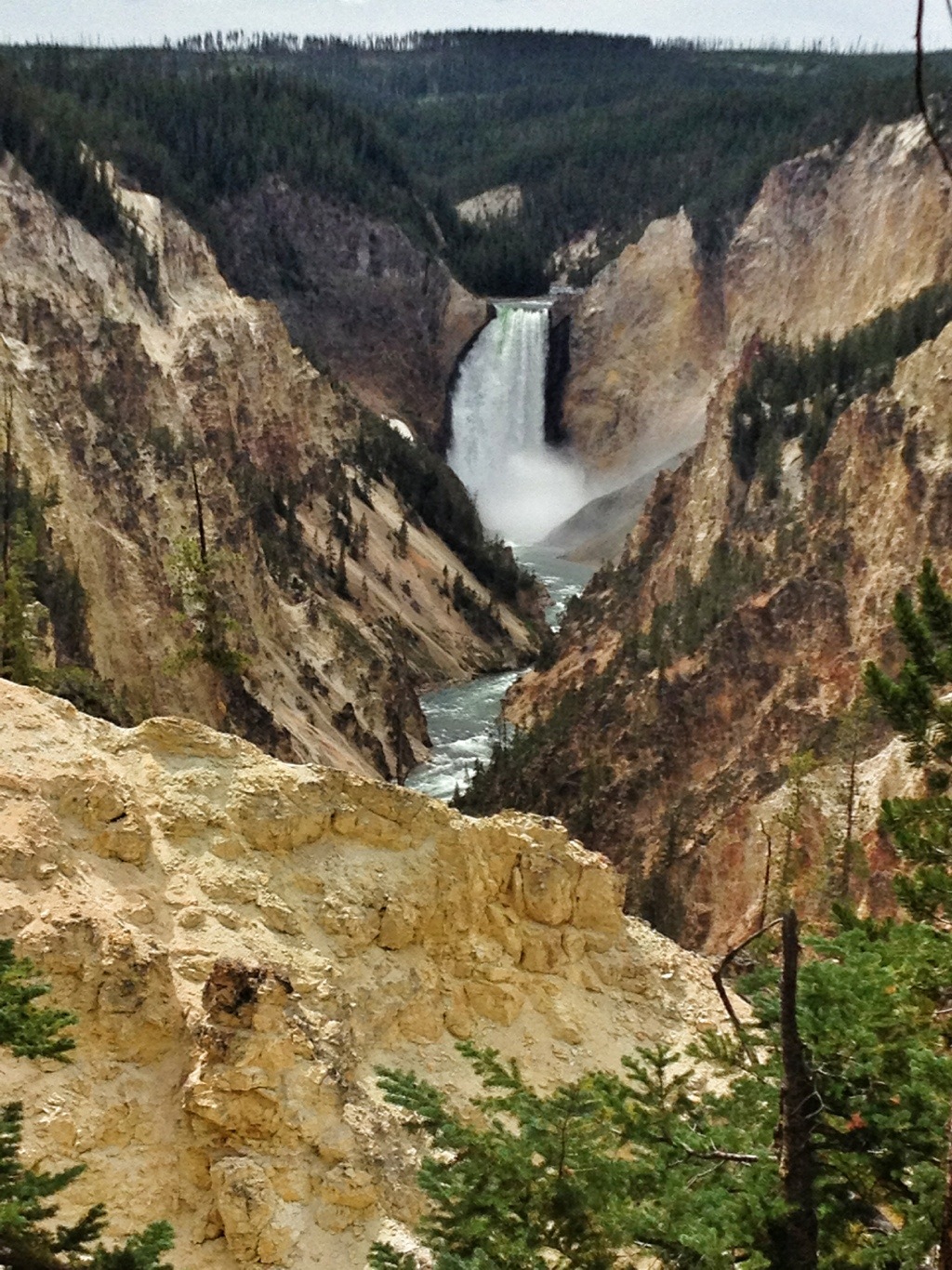
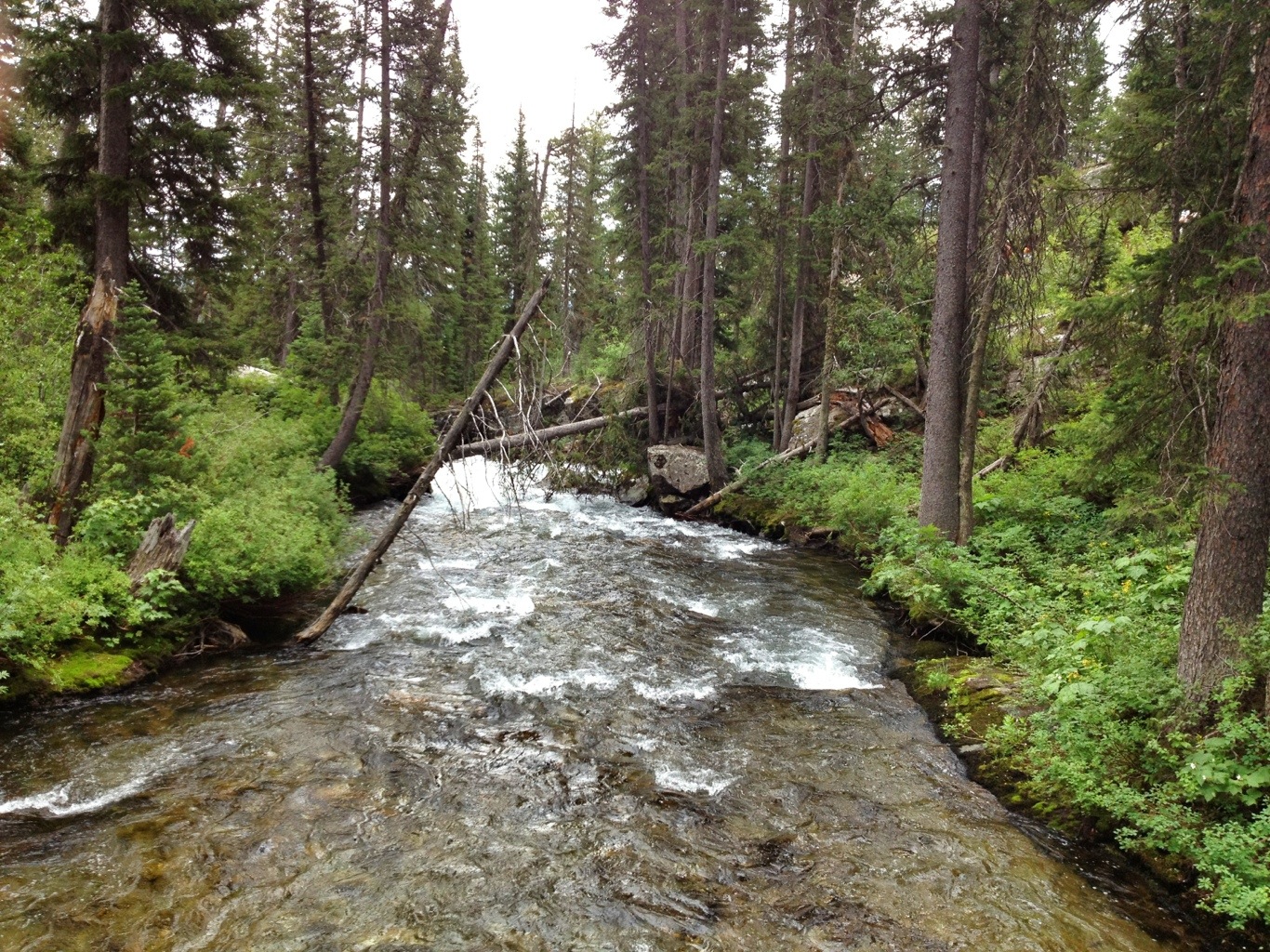
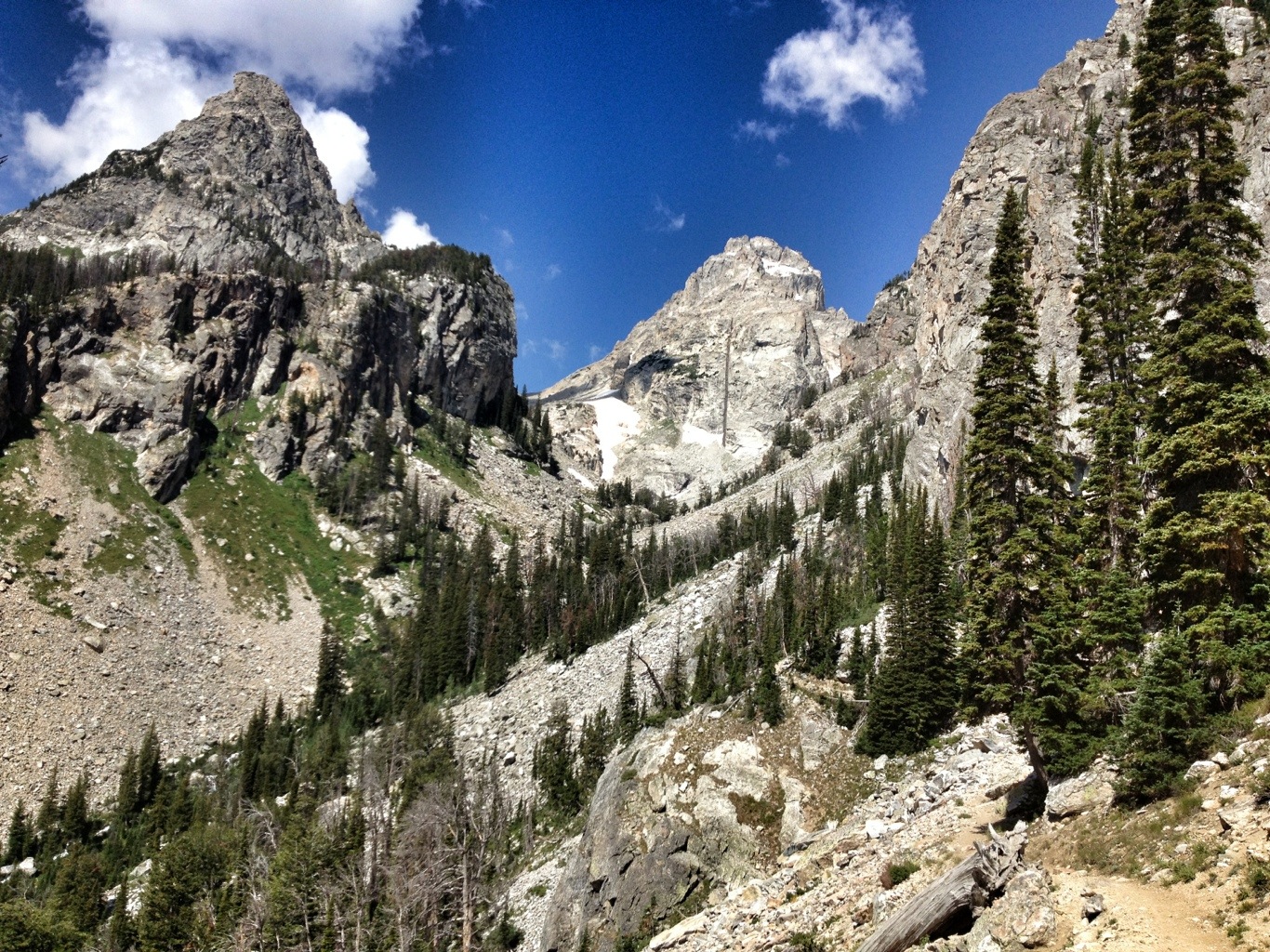
I spent last week with two amazing colleagues (and friends) leading 34 terrific students through the Bighorn Mountains, the Beartooth Mountains, Yellowstone and Tetons. Here are some of the beautiful places we visited:
Sunrise in the Bighorns

20120728-204502.jpg
Grasslands

20120728-204620.jpg
Beartooth mountains and a beautiful hike to a cirque lake.

20120729-072239.jpg

20120729-072312.jpg

20120729-072331.jpg
Yellowstone

20120729-072908.jpg

20120729-072919.jpg

20120729-072929.jpg
Grand Tetons

20120729-073137.jpg

20120729-073156.jpg

20120729-073210.jpg

20120729-073219.jpg

20120729-073244.jpg